Introduction
Swimming is more than a life skill in Moscow — it’s a pathway to stronger bodies, calmer minds, and safer summers on the Volga and local reservoirs. Whether you’re introducing a toddler to water or helping a teen refine their stroke, a structured approach combining solid technique, child-focused teaching, rigorous safety habits, and complementary dryland training builds confident, capable swimmers.
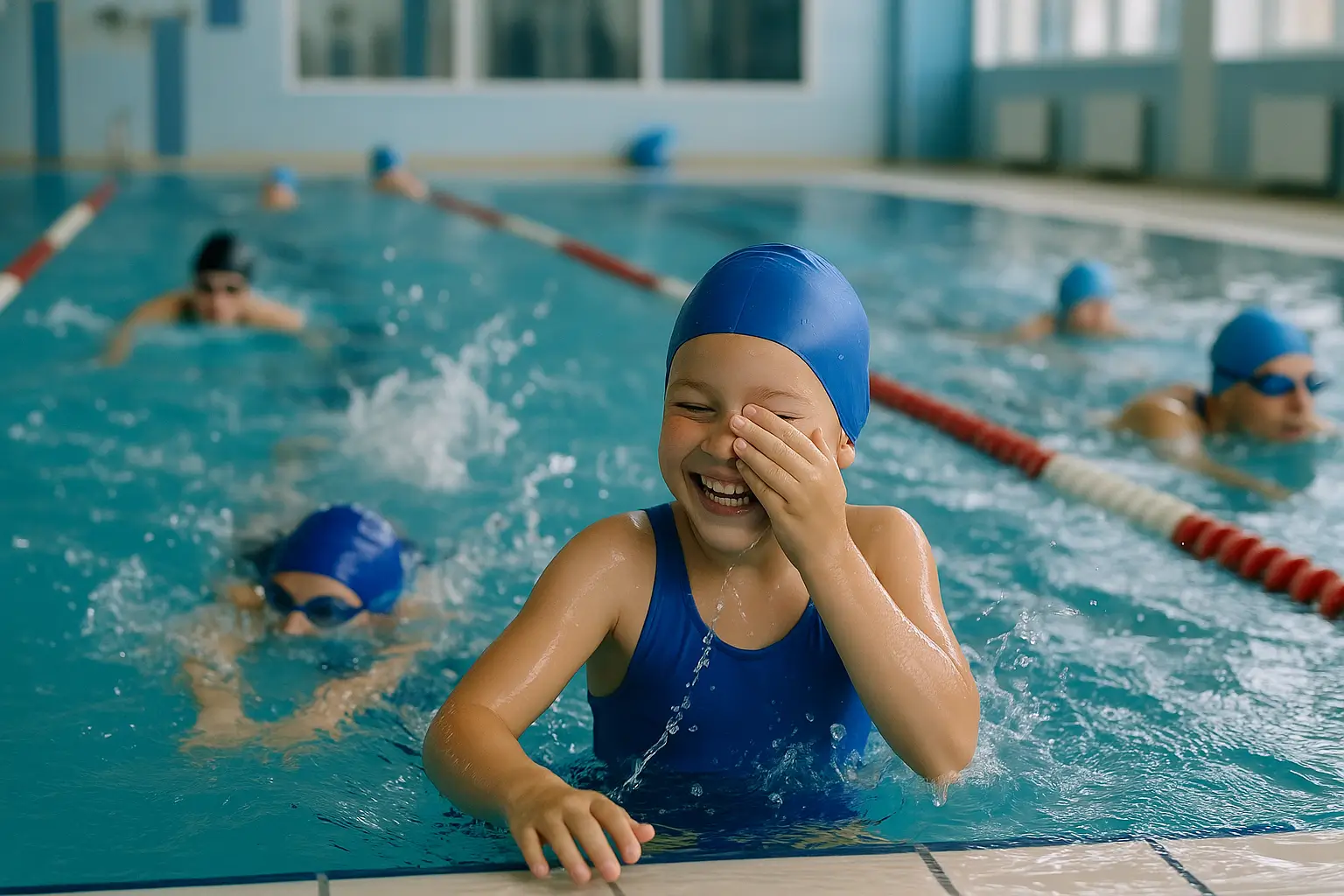
Why swimming matters for children
— Physical development: *cardiovascular fitness, muscular strength, coordination, and flexibility* improve through regular practice.
— Cognitive and social gains: structured lessons teach discipline, focus, goal-setting and teamwork.
— Emotional resilience: mastering skills in a controlled challenge improves confidence and reduces anxiety.
— Lifesaving value: water competence reduces drowning risk — vitally important around Moscow’s pools, rivers and summer lakes.
Core swimming techniques (practical overview)
Focus on mastery of fundamentals before speed.
— Freestyle (front crawl)
— Key points: streamlined body position, bilateral breathing practice, relaxed high-elbow catch, steady flutter kick.
— Drills: catch-up drill, single-arm freestyle, side-kick with breathing.
— Backstroke
— Key points: neutral head position, straight body line, steady flutter kick, continuous arm rotation.
— Drills: 6-kick switch, backstroke single-arm.
— Breaststroke
— Key points: flat glide, effective whip kick, simultaneous arm sweep and a short glide phase.
— Drills: kickboard for kick timing, two-kick one-pull drill.
— Butterfly
— Key points: undulating body rhythm, symmetric arm recovery, strong dolphin kick — start with body rhythm drills before full stroke.
— Drills: body-dolphin, 3-3-3 drill (3 kicks/3 arms/3 full strokes).
Teaching progression by age
— Ages 2–4 (water familiarization)
— Goals: comfort in water, breath control, submersion tolerance, floating basics.
— Methods: play-based sessions (5–20 minutes), parent-child classes, positive reinforcement.
— Ages 5–8 (basic skills & safety)
— Goals: independent floating, basic propulsion, elementary backstroke and freestyle fundamentals.
— Methods: short incremental tasks, games for repetition, introduce simple safety rules.
— Ages 9–12 (technique & stamina)
— Goals: refine stroke mechanics, introduce turns and starts, build aerobic base.
— Methods: technique-focused sets, interval training, simple video feedback.
— Teens and adults (performance & specialization)
— Goals: race technique, endurance, strength, or rehabilitation-focused training.
— Methods: individualized plans, strength & conditioning, mobility work.
Safety on the water — essential rules
— Always supervise children within arm’s reach in and around pools and natural water.
— Teach children to never swim alone; use the buddy system.
— In open water, wear life jackets when boating; understand currents and cold-water risks.
— Learn and maintain CPR and basic rescue skills. Moscow sports schools and municipal centers offer certified first-aid courses.
— Avoid alcohol around water. Check local weather and water conditions before swimming outdoors.
— For winter or cold-water dips: *don’t* swim alone; be aware of hypothermia and ice strength.
Pool training: structured drills & weekly session ideas
— Warm-up (8–12 min): easy freestyle + backstroke, dynamic mobility.
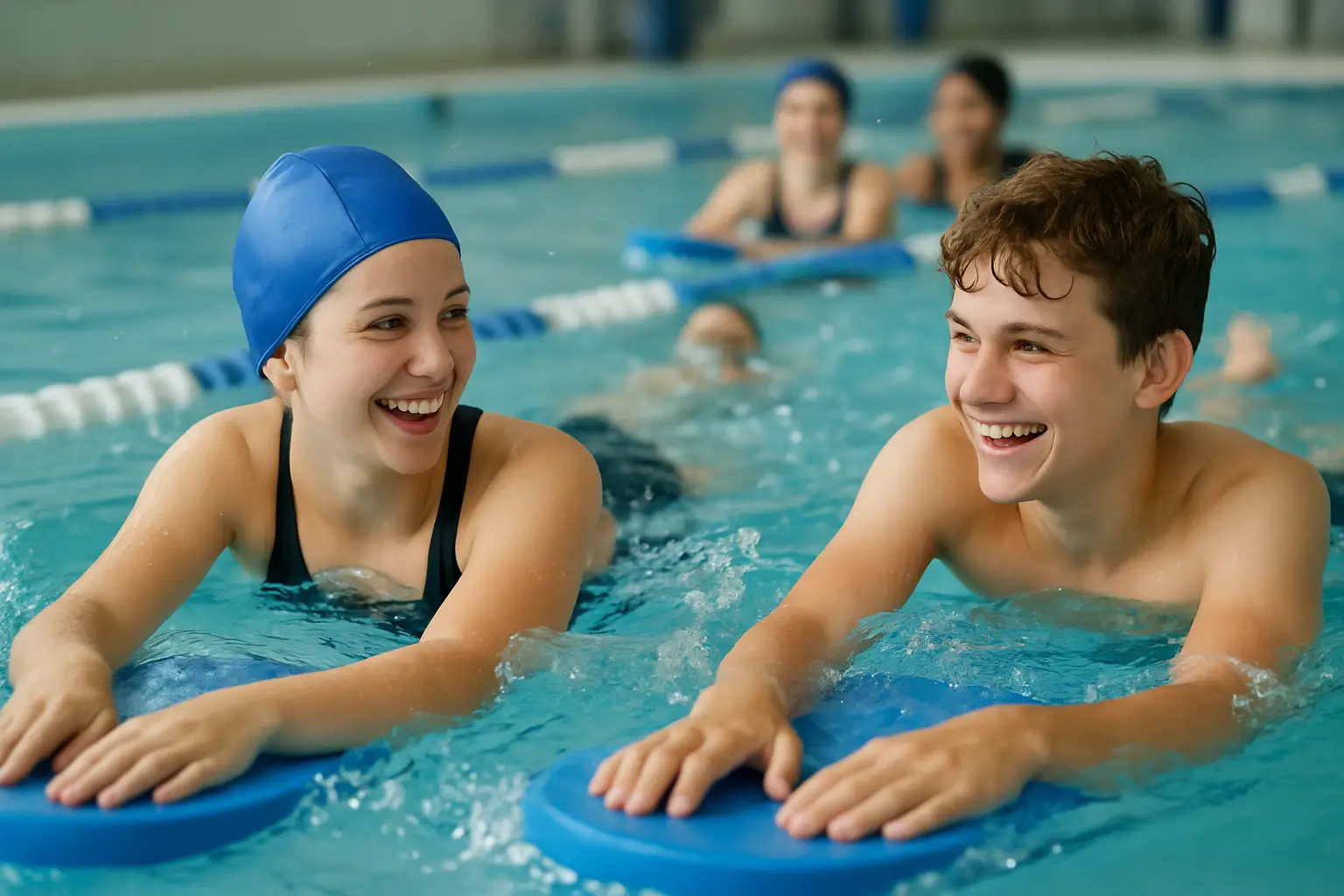
— Technique set (15–20 min): focused drills (catch-up, scull, kick sets with board).
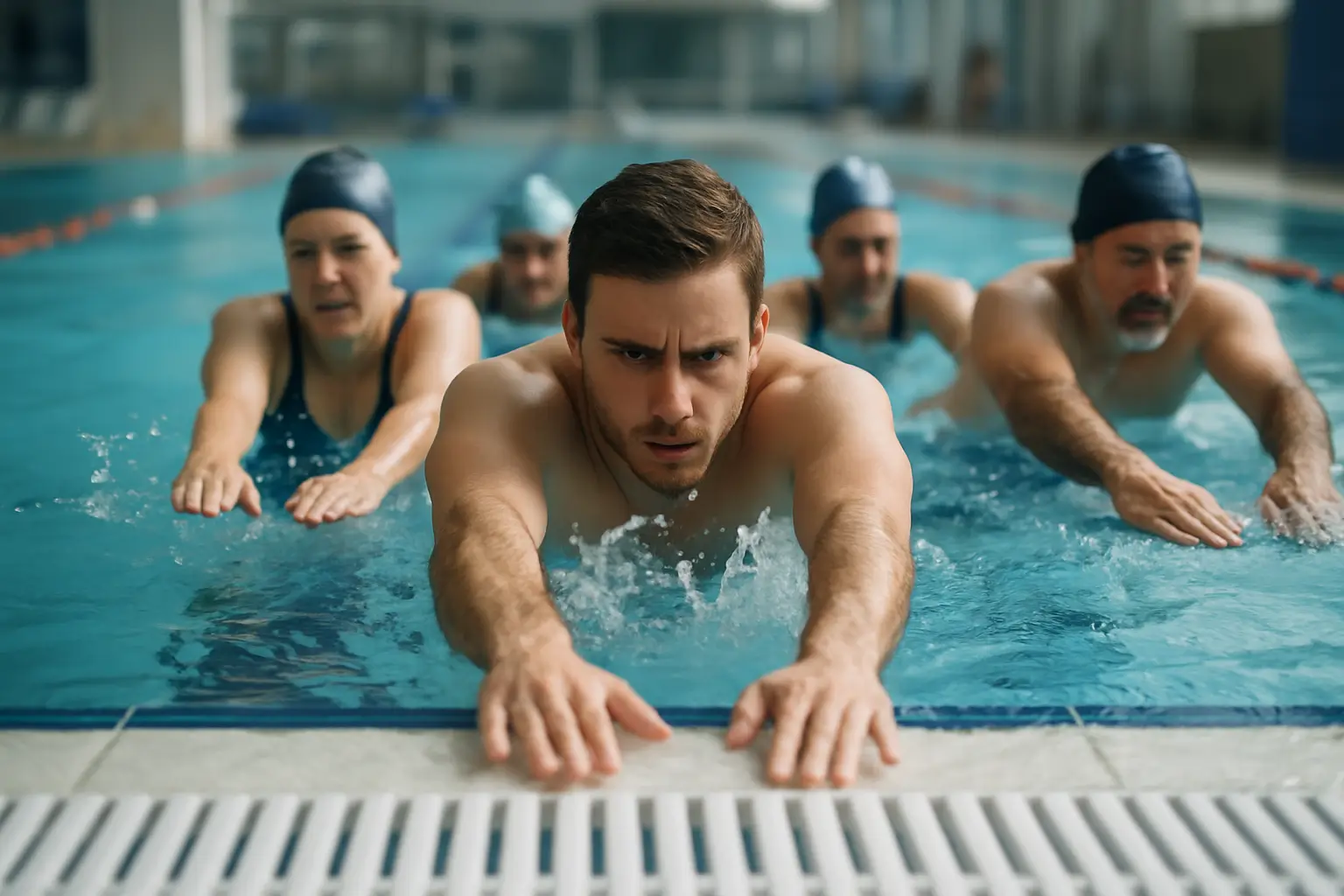
— Main set (15–25 min): interval work (e.g., 8 x 50m at moderate pace with 20–30 sec rest) tailored to level.
— Kick set (6–10 min): emphasis on leg propulsion (flutter, dolphin, breast).
— Cool down (5–8 min): easy swimming and stretching.
Sample weekly plan for recreational youth swimmers:
— Mon: Technique + short main set (45–50 min)
— Wed: Endurance set + drills (50–60 min)
— Fri: Speed/starts & turns + skills (45 min)
— Sat or Sun: Family swim / play session focusing on enjoyment and confidence
Dryland (outside-pool) training
— Strength: bodyweight squats, lunges, push-ups, pull exercises, planks (2–3×/week).
— Power & core: medicine ball throws, plyometrics, dynamic core circuits.
— Flexibility & mobility: shoulder circles, thoracic rotations, hip flexor stretches.
— Cardio: running, cycling, or rollerblading for aerobic base — great when pools are busy or closed.
— Coordination & balance: ladder drills, single-leg balance, proprioceptive work — important for starts and turns.
Moscow-specific practical tips
— Choose indoor pools with good ventilation and clean facilities—great for year-round training during Moscow winters.
— Look for certified instructors: inquire about qualifications, group size, progression plans and safety certifications.
— Consider municipal sports schools (DYuSSh) or private academies depending on goals and budget.
— Book popular time slots in advance (after-work and weekend sessions fill early).
— Dress for cold commutes: bring warm layers and dry shoes — short Moscow walks from metro to pool can be chilly.
Equipment checklist
— Well-fitting swimsuit and swim cap
— Goggles (anti-fog treated)
— Kickboard, pull buoy, fins (for training sessions)
— Towel, robe, slippers
— For parents: whistle, emergency contact list, basic first-aid kit
Working with coaches and parents
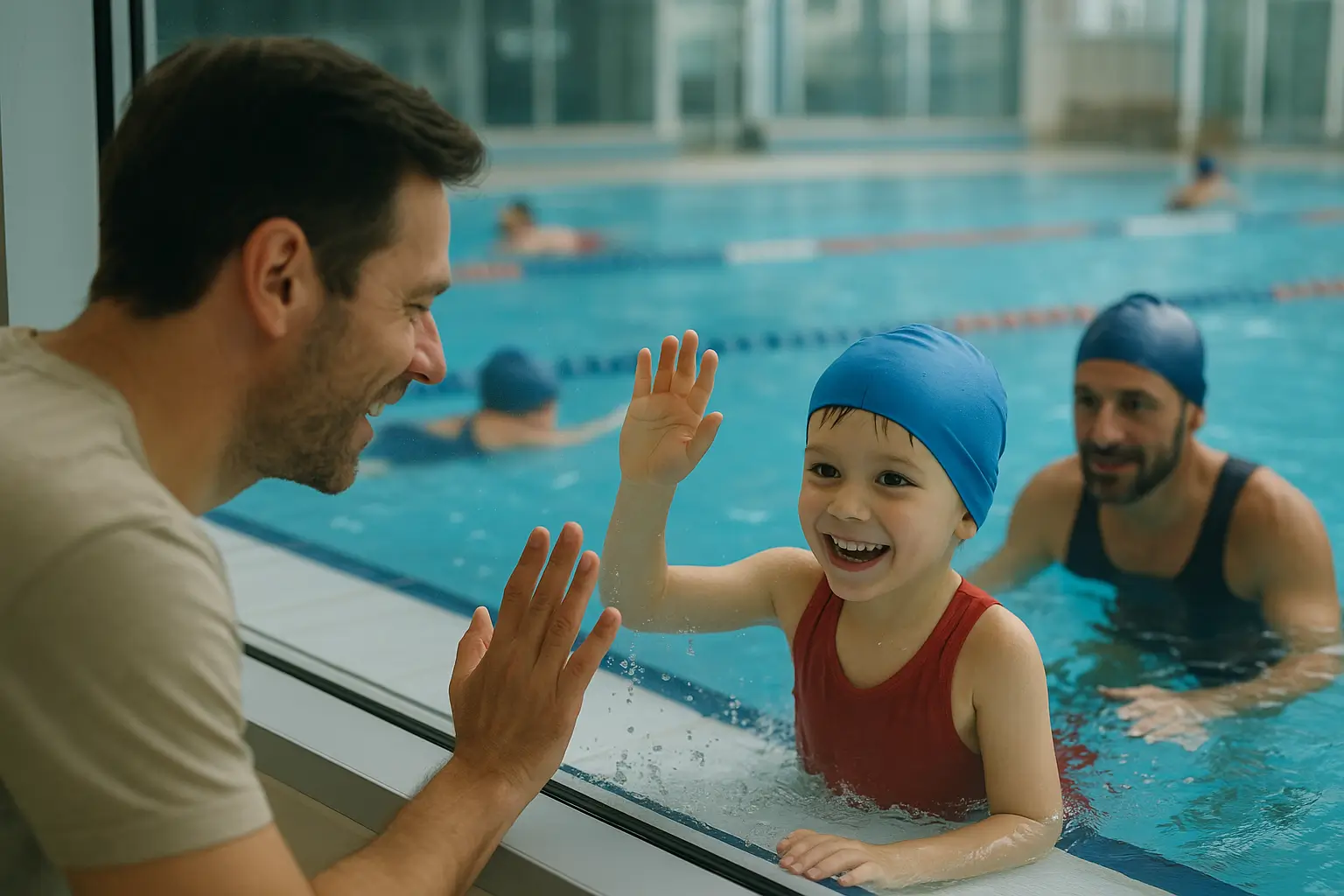
— Set realistic short-term and long-term goals together (safety first, then skills, then performance).
— Keep communication open: ask for progress notes, lesson plans and homework drills to practice at home.
— Reinforce positive feedback; children learn faster with encouragement and measurable milestones.
Final notes
Swimming education blends technique, safety and holistic development. In Moscow’s varied aquatic scene, families and coaches can use structured, age-appropriate programs plus dryland training to build strong swimmers who are safe, healthy and confident. Start small, prioritize safety, and make progress measurable and fun — consistency is the key.
If you’d like, I can draft a one-month lesson plan for a 6–8 year-old beginner, list recommended drills by skill level, or create a checklist to evaluate local swim schools in Moscow. Which would you prefer?