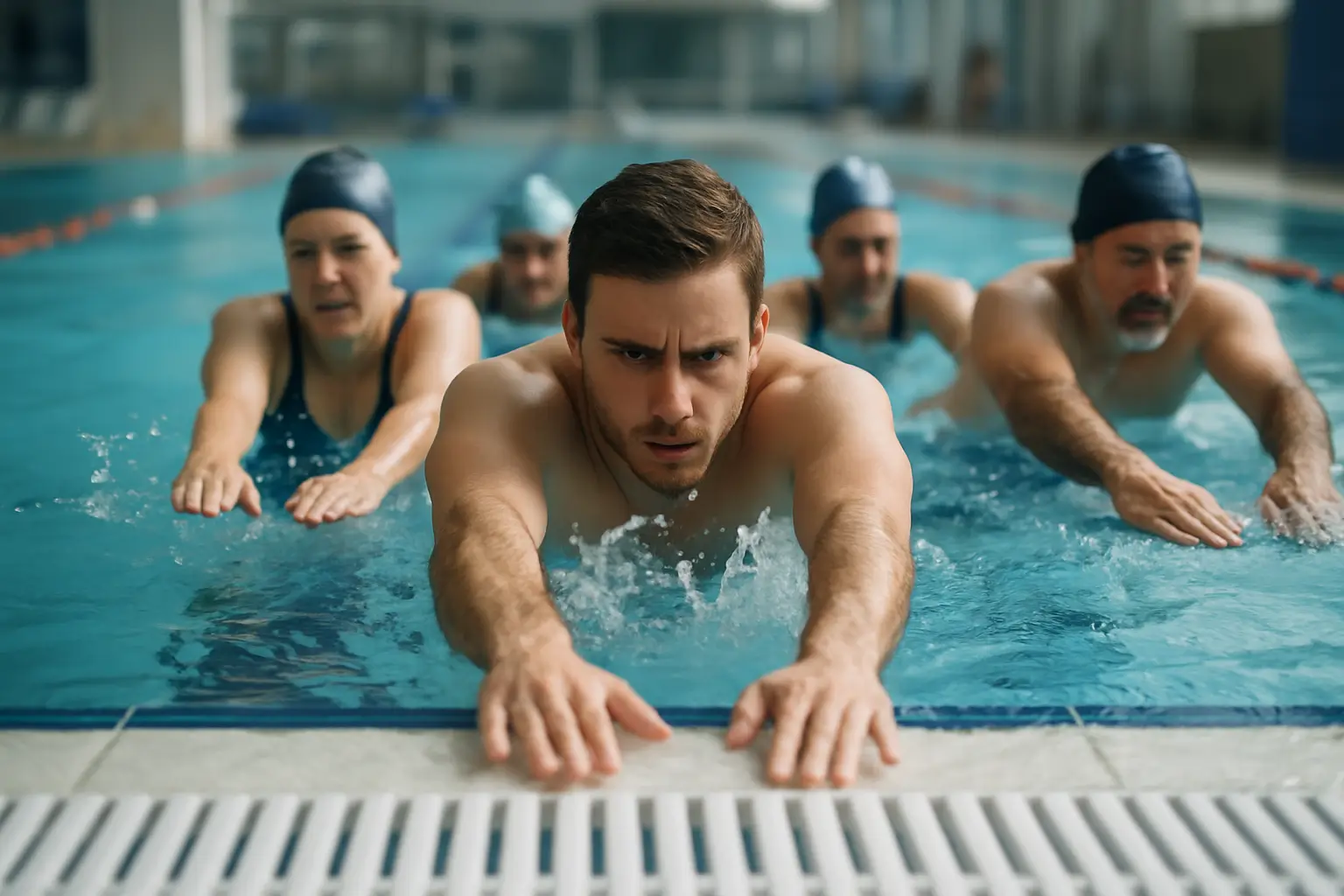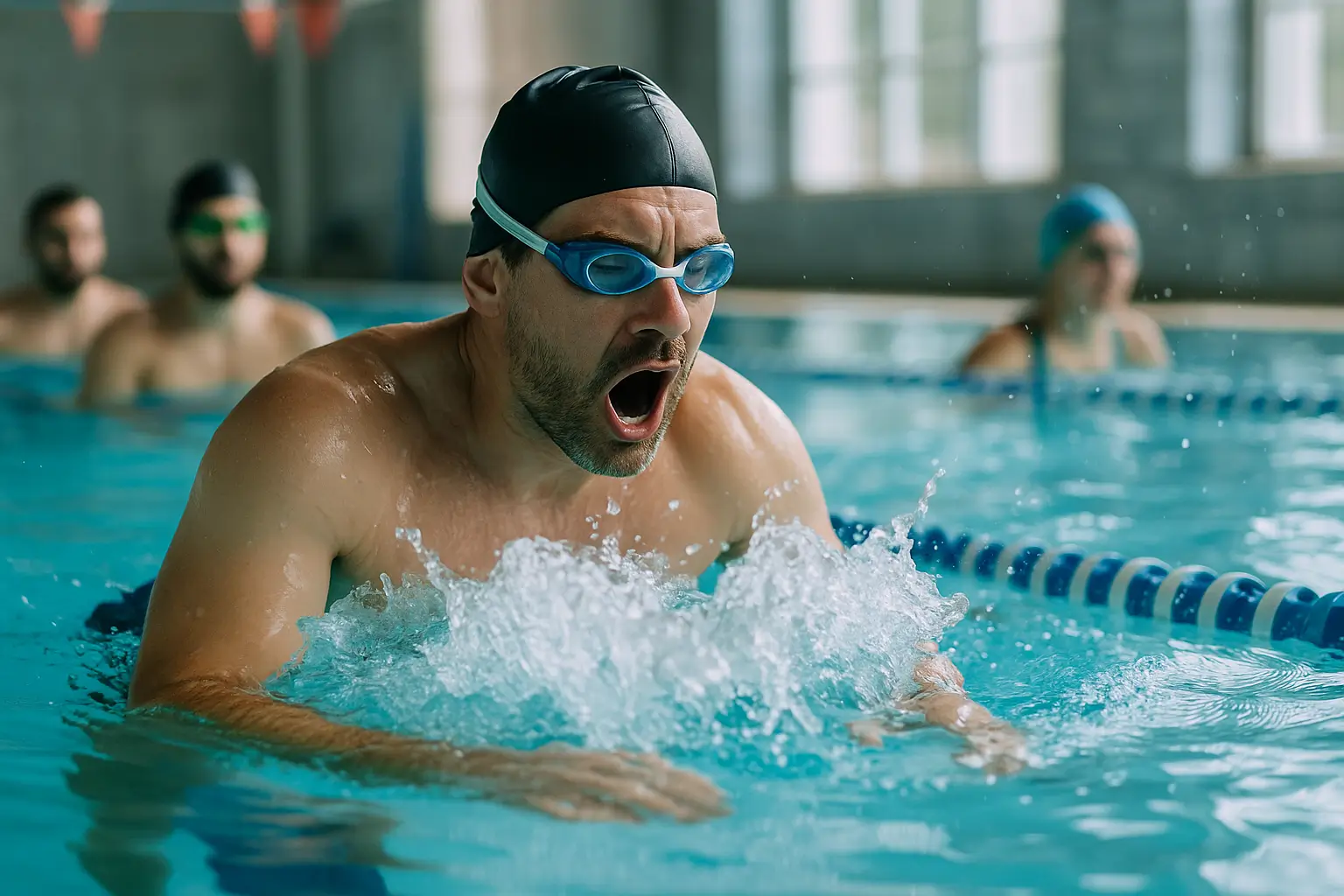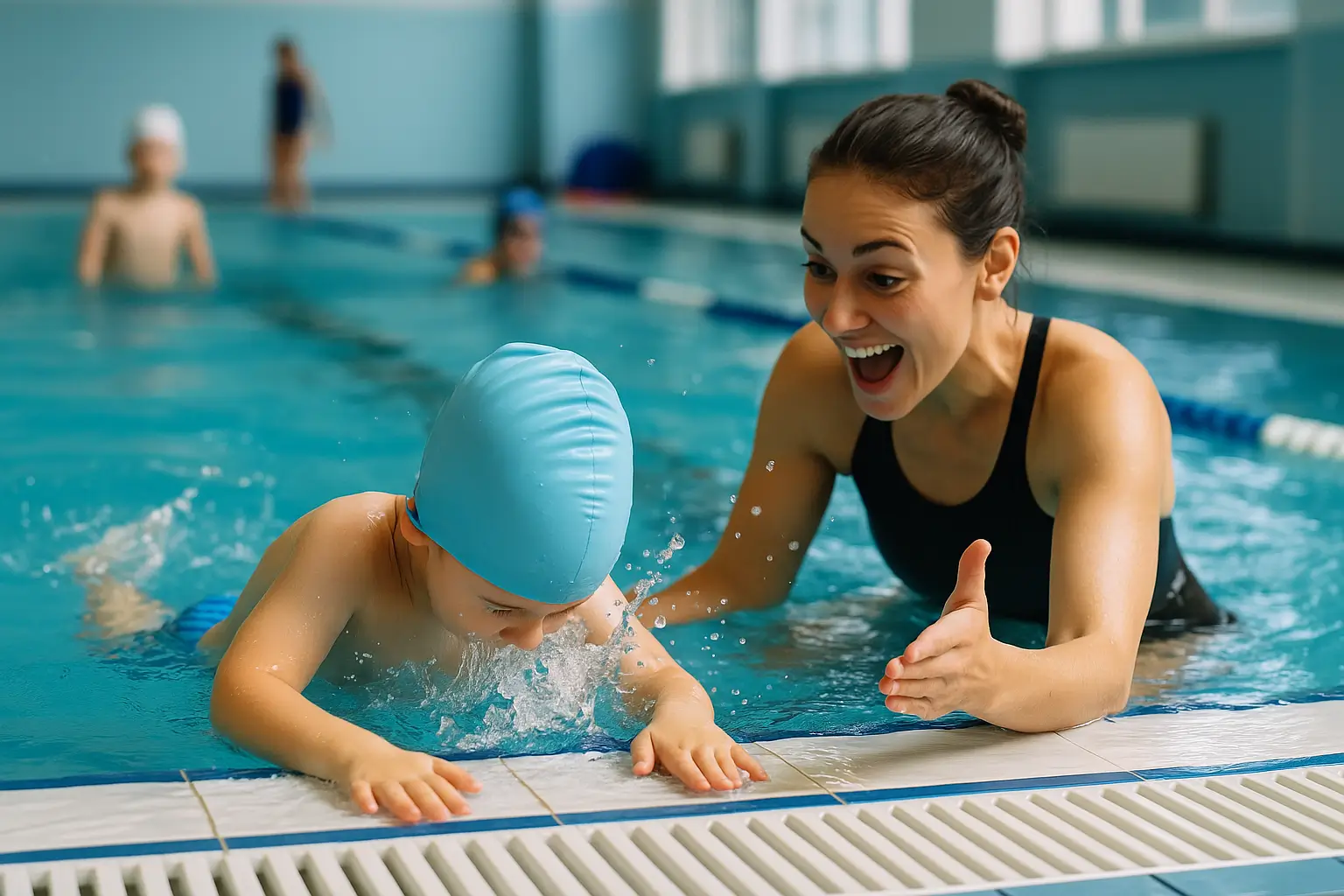
Introduction
Swimming is more than a sport: it’s a life skill, a developmental tool for children, and a richly varied form of physical training. In Moscow—where indoor pools are available year‑round and monitored outdoor swimming is seasonal—well-structured swimming education keeps children safe, builds confidence, and creates healthy habits that last a lifetime.
Why swimming matters for child development
— Physical development: improved coordination, balance, cardiovascular fitness, and muscular endurance.
— Motor skills and neural development: bilateral movements and rhythm strengthen motor patterns and brain integration.
— Social and emotional growth: teamwork, discipline, goal-setting, and resilience.
— Safety and independence: formal lessons teach buoyancy, floating, safe entries/exits, and how to respond in emergencies.
— Cognitive benefits: focus, planning, and following complex instructions translate to school and daily life.
Age-appropriate progression
— Babies & toddlers (0–3 years): *water acclimation* and parent-child classes emphasizing comfort, breath control, gentle submersion, and safe handling in water.
— Preschool (3–5 years): introduce independent floating, basic kicking, rhythmic breathing, and short assisted glides. Sessions should be short, playful, and repetition-based.
— Early school age (6–9 years): teach basic strokes (freestyle and backstroke), safe shallow water behavior, basic treading, and simple turns. Focus on technique and fun.
— Older children & teens (10+): refine strokes (breaststroke, butterfly fundamentals), build endurance, introduce racing skills, starts and turns, and dryland conditioning.
Core swimming techniques (basics every swimmer should get)
— Freestyle (front crawl): balanced body position, rhythmic bilateral breathing, steady flutter kick, and effective catch-pull.
— Backstroke: supine balance, steady flutter kick, straight-arm recovery, and strong steady rotation.
— Breaststroke: timing between pull, breath, and kick; glide phase to maximize efficiency.
— Butterfly (introductory): dolphin body undulation, two-beat kick pattern, and rhythm between breath and arm cycle—introduce slowly for younger swimmers.
— Floating and treading water: back float, front float, and effective eggbeater/treading skills for safety.
Teaching progression and session structure
— Warm-up (5–10 min): easy swimming, mobility and breathing drills.
— Skill block (10–20 min): focused technique drills (catch, kick, body alignment). Use short sets and demonstrations.
— Main set (10–20 min): distance or interval work appropriate to age/level.
— Fun & games (5–10 min): relays, skill-based play to reinforce learning and motivation.
— Cool-down & reflection (5 min): easy swim and quick feedback with child and parent.
Safety on the water (must-haves)
— Supervision: never leave children unattended near water. Always swim where lifeguards are present.
— Swim with a buddy and choose monitored beaches or official swimming zones. Avoid unsupervised urban rivers and unknown spots.
— Teach basic self-rescue: float on back, call for help, and move toward shallow water when possible. Emphasize not attempting risky rescues—use reaching/throwing equipment and call a trained rescuer.
— Pool rules and hygiene: no running on decks, no diving in shallow water, and shower before entering the pool.
— Ice safety (winter): never walk on or enter ice without official clearance. Teach children that ice can hide dangerous thin spots.
— Emergency preparedness: learn child CPR and basic first aid; post emergency numbers (in Russia, call 112). Know pool emergency procedures.
Choosing a program or coach in Moscow
— Look for certified instructors: ask about coaching/teaching credentials, lifeguard and first‑aid certifications.
— Verify facility standards: water quality testing, visible lifeguard coverage, and suitable shallow areas for beginners.
— Group vs private lessons: group lessons build social skills and motivation; private lessons accelerate individual progress when technique correction is needed.
— Trial lesson: observe teaching style, teacher-child rapport, and class safety before committing.
— Local resources: consult your district’s sports department or community centers for city-run swim programs and seasonal supervised beaches.
Dryland training and cross-training
— Core stability: planks, dead bugs, and dynamic core drills for body alignment in the water.
— Leg strength & power: squats, lunges, calf raises, and jump drills to improve starts and kicks.
— Shoulder stability and mobility: resistance‑band rows, external-rotation exercises, and scapular control work to prevent injury.
— Flexibility: dynamic warm-ups and post-session stretches for hips, shoulders, and ankles.
— Endurance & coordination: cycling, running, and team sports to support aerobic base and motor variability.
Sample weekly plan (children)
— Beginner: 2 lessons/week (30–40 min each), plus light active play on other days.
— Intermediate: 3 lessons/week (40–60 min), one dryland