Introduction
Swimming is more than a life skill — it shapes physical fitness, confidence and social development in children. In Moscow, with its many indoor pools, sports schools (ДЮСШ), and seasonal open-water opportunities, parents can find excellent environments for learning. This guide covers practical teaching progressions, safety rules specific to urban and open-water contexts, and training ideas both in and out of the pool.
Why swimming matters for children
— Physical development: improves cardiovascular fitness, coordination, balance and posture.
— Motor skills and brain development: bilateral coordination and rhythmic breathing support neural pathways.
— Social and emotional benefits: teamwork, discipline, resilience and boosted self-esteem.
— Lifesaving skill: reduces drowning risk when taught alongside water-safety education.
— Year-round activity: indoor pools in Moscow make swimming a consistent sport through all seasons.
Teaching progression: from water confidence to efficient strokes
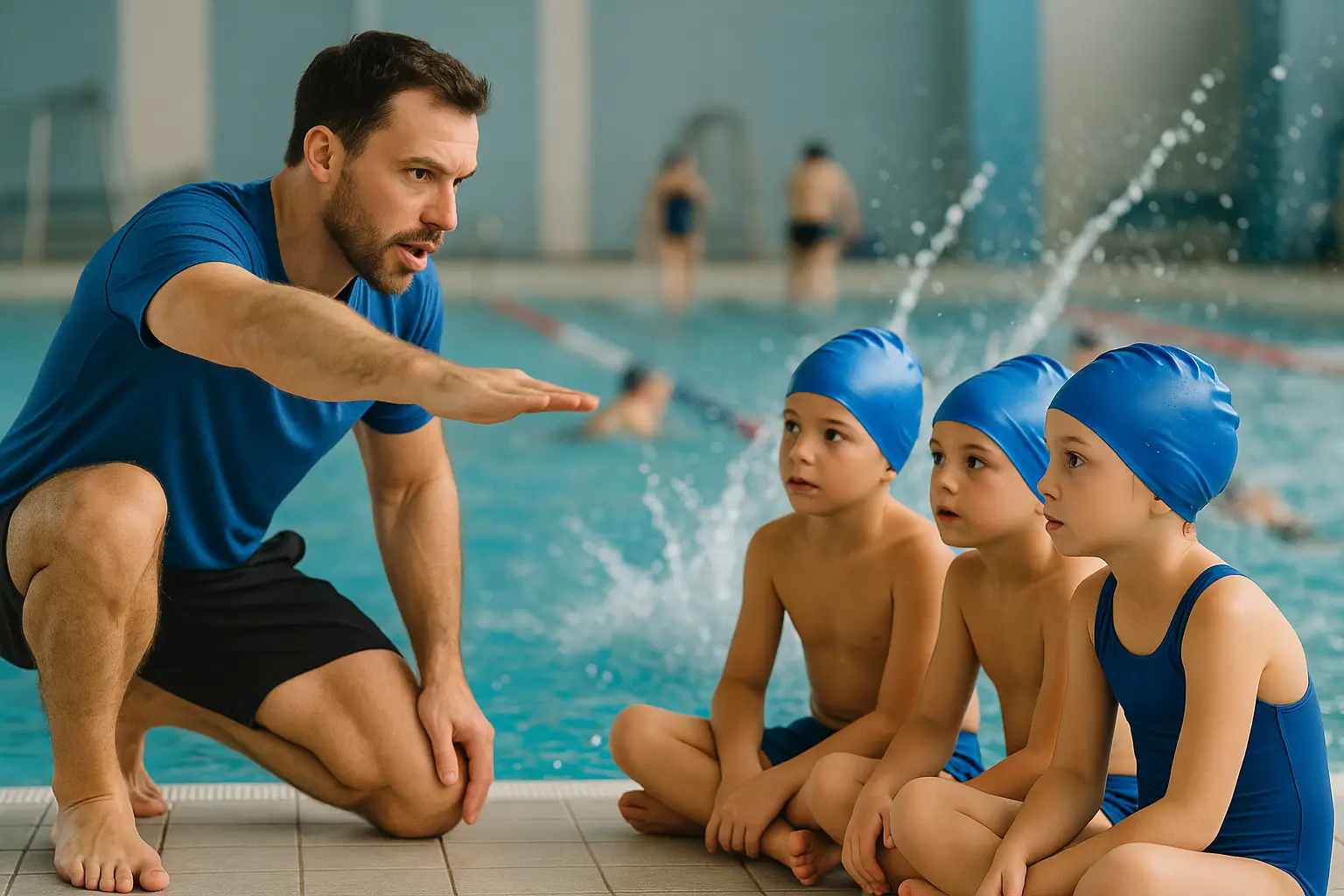
A reliable sequence helps coaches and parents set expectations.
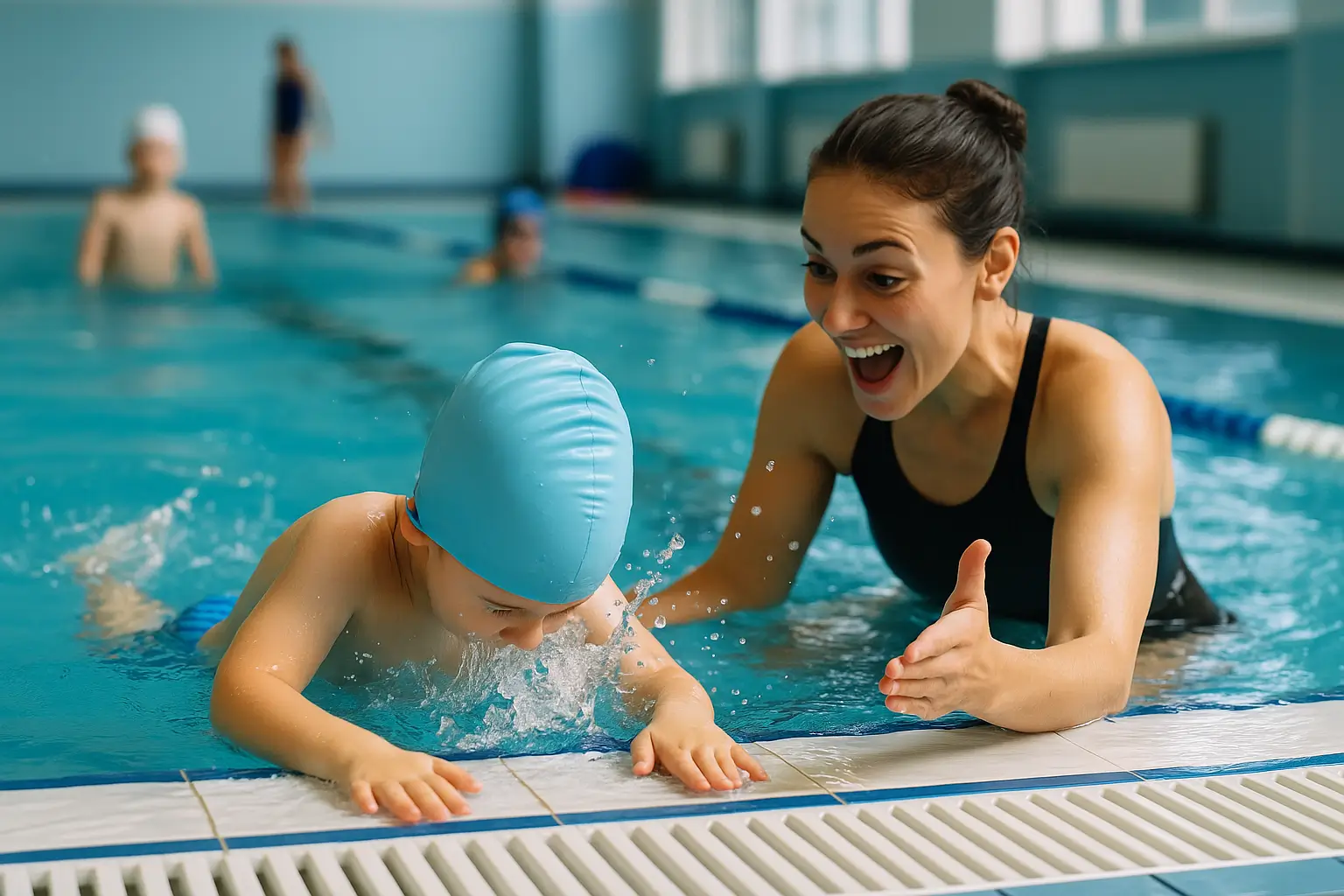
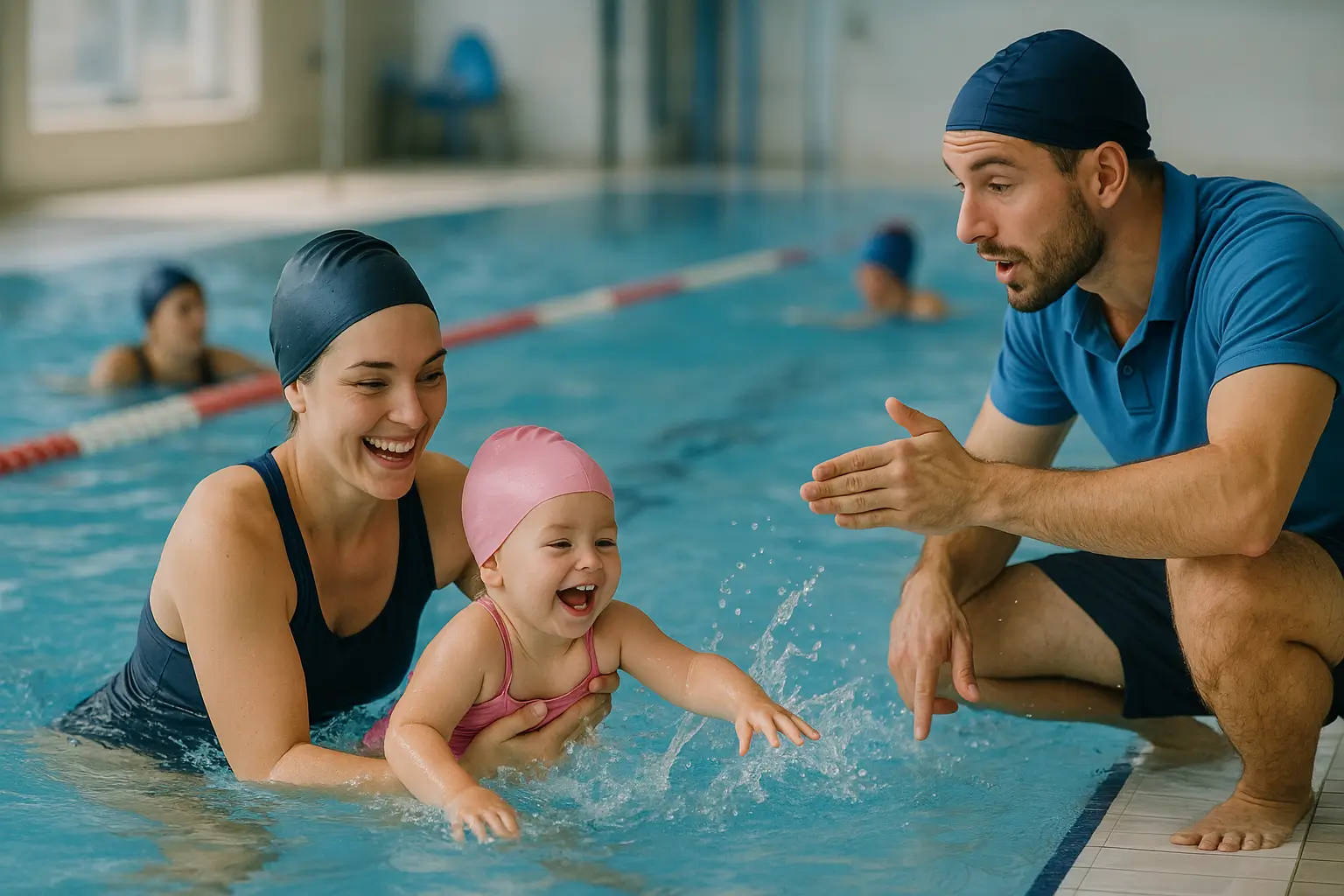
1. Water confidence and breath control
— Entering/exiting safely, submerging face, blowing bubbles.
— Games and short immersions to remove fear.
2. Floating and body position
— Back and front floats; relaxing the neck and hips.
— Focus on horizontal alignment to reduce drag.
3. Kicking and balance
— Flutter kick (freestyle/backstroke) and whip kick (breaststroke).
— Use kickboards and fins for short drills.
4. Arm mechanics and breathing
— Separate arm drills (catch, pull, recovery).
— Rhythmic breathing: bilateral breathing for freestyle recommended.
5. Coordination and stroke integration
— Combine arms, legs and breathing for short swims.
— Introduce drills: catch-up, single-arm, sculling.
6. Endurance, starts and turns
— Gradually increase distance and introduce turns/dives when age-appropriate.
— Emphasize technique before speed.
Core technique focuses by stroke (brief)
— Freestyle: streamline body, high elbows in catch, bilateral breathing.
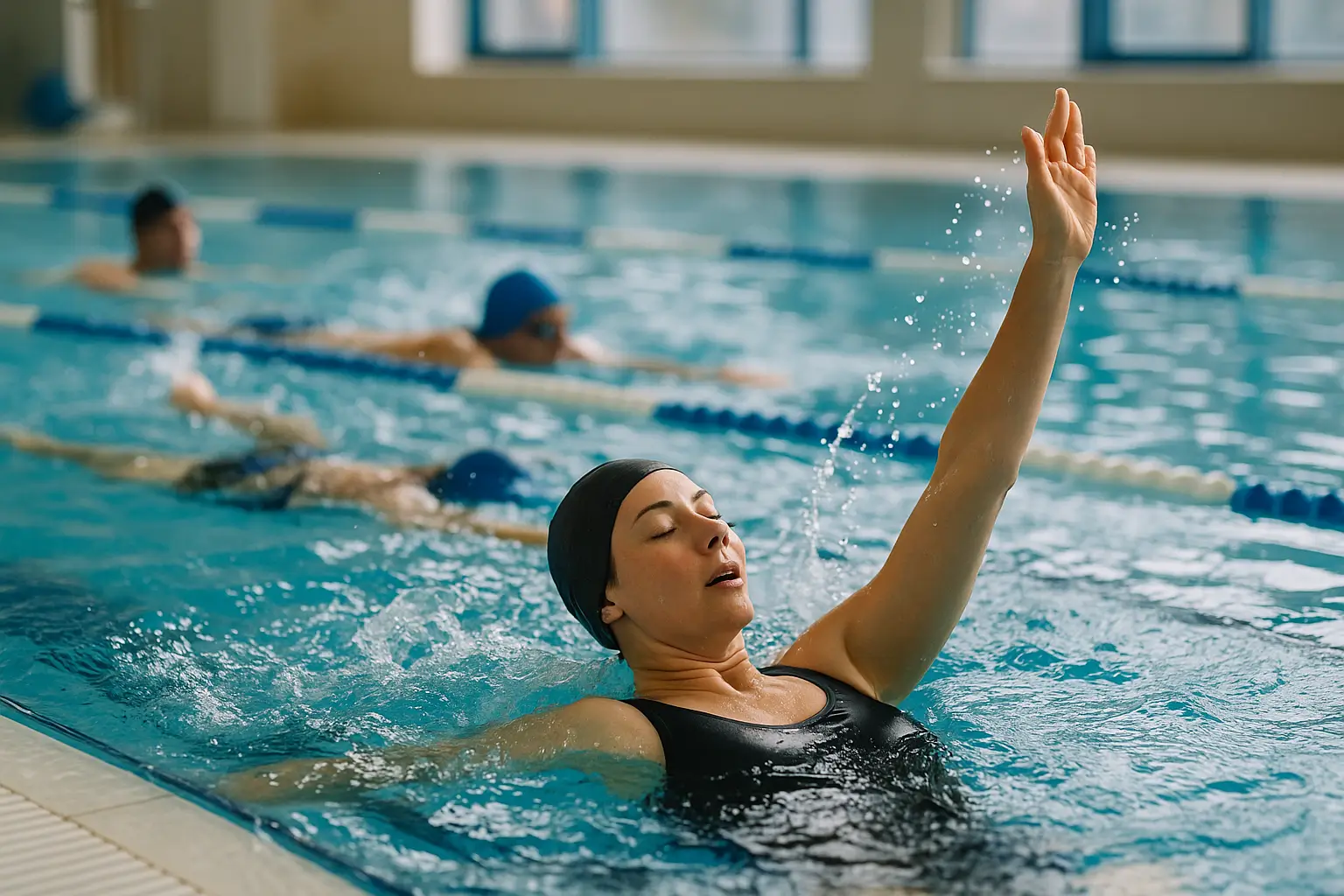
— Backstroke: neutral head, steady flutter kick, initiate rotation from hips.
— Breaststroke: timing of kick and pull, glide phase, avoid sinking hips.
— Butterfly (advanced): undulating body drive, powerful two-kick cycle.
Safety on the water — practical rules for Moscow families
— Always supervise: never leave children unsupervised in or near water.
— Swim in designated areas only: use pools or official beaches with lifeguards. Moskva River and reservoirs can have strong currents, varying depths and water-quality issues — avoid unsanctioned spots.
— Use appropriate floatation for open water: approved life jackets for young or non-confident swimmers. Inflatable toys are not safety devices.
— Learn first aid and CPR: parents and coaches should have up-to-date certification (первая помощь, CPR).
— Beware of cold-water risks: winter swimming (моржевание) is a Russian tradition but requires medical clearance, progressive exposure, and experienced supervision — not for children without specific preparation.
— Check pool hygiene and ventilation: choose facilities with clear cleanliness standards and child-friendly locker rooms.
— Alcohol and water do not mix: never combine drinking and swimming or supervising children.
Training in the pool — drills and session ideas
— Warm-up (5–10 min): easy swim + mobility (arm circles, leg swings).
— Technique block (10–20 min): focused drills (e.g., catch-up, sculling, kickboard sets).
— Main set (10–30 min): short intervals for kids (e.g., 8 × 25 m with rest) progressing to longer sets as fitness improves.
— Games and sprints (5–10 min): keep motivation high for younger children.
— Cool-down (5 min): easy swimming and stretching.
Useful drills:
— Sculling on back/front for feel of water.
— Kick-on-back sets for kicking endurance.
— Pull-buoy short sets for upper-body technique.
— Catch-up drill to improve arm timing.
Dryland (out-of-pool) exercises for swimmers
Aim to improve core strength, flexibility and mobility — simple, low-expense exercises work best for children.
Examples:
— Core: plank (progressive time), dead-bug, Russian twists with no weight.
— Legs: squats, lunges, hopping and single-leg balance.
— Shoulders and back: resistance-band rows, shoulder mobility pass-throughs.
— Flexibility: dynamic hip openers, ankle mobility, chest/shoulder stretches.
— Plyometrics for older kids: light box jumps, lateral hops for power and coordination.
Keep sessions short (20–30 min), playful and supervised.
Sample weekly plan for a young swimmer (age 6–10)
— Monday: Pool — 30–45 min technique + games.
— Wednesday: Dryland — 20–30 min mobility and strength (family-friendly).
— Friday: Pool — 30–45 min endurance and drills.
— Weekend: Optional open-water supervised visit in warm months or fun swim session.
Adjust frequency and intensity for age, fitness and motivation.
Choosing a swim program or coach in Moscow
Questions to ask:
—