Introduction
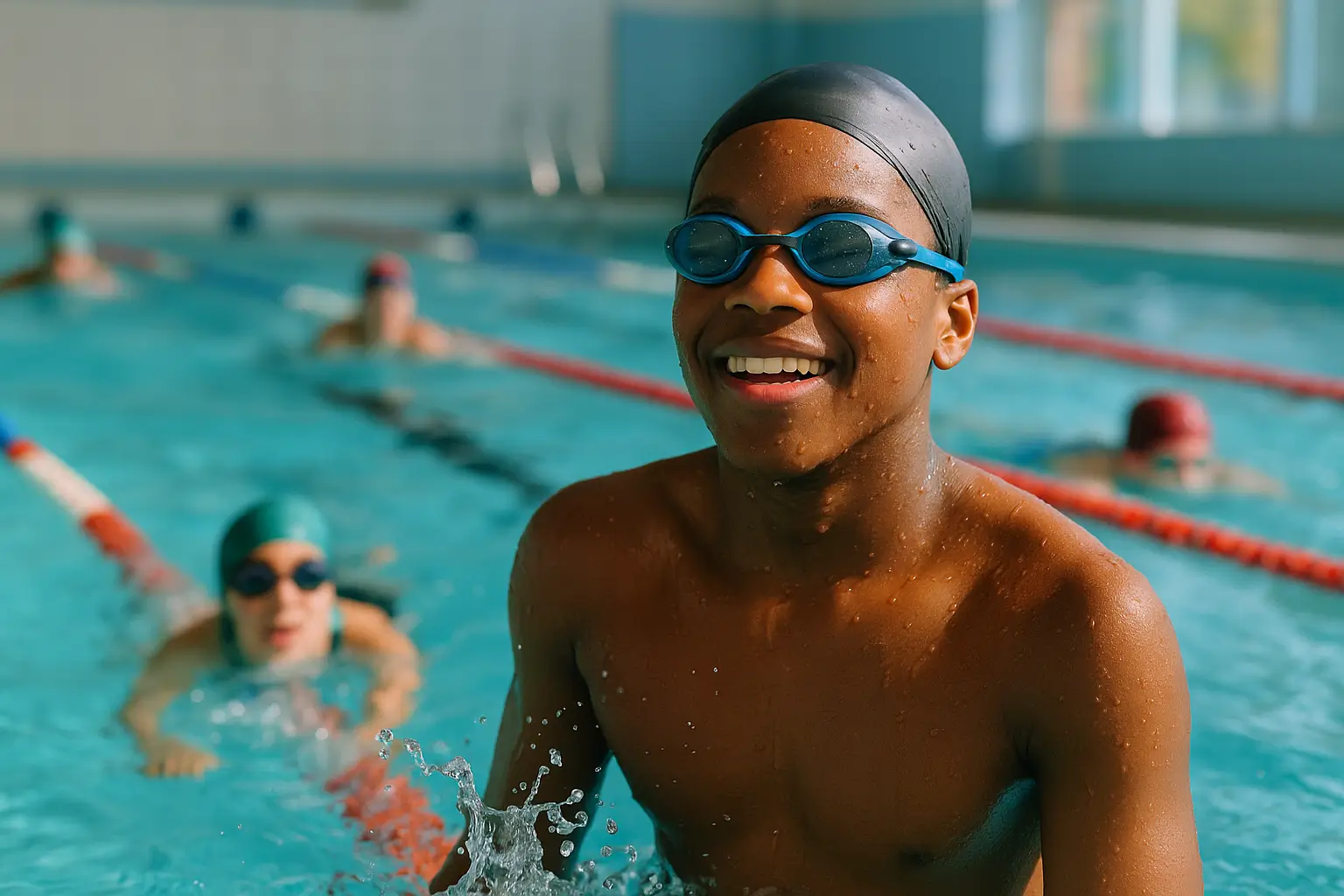
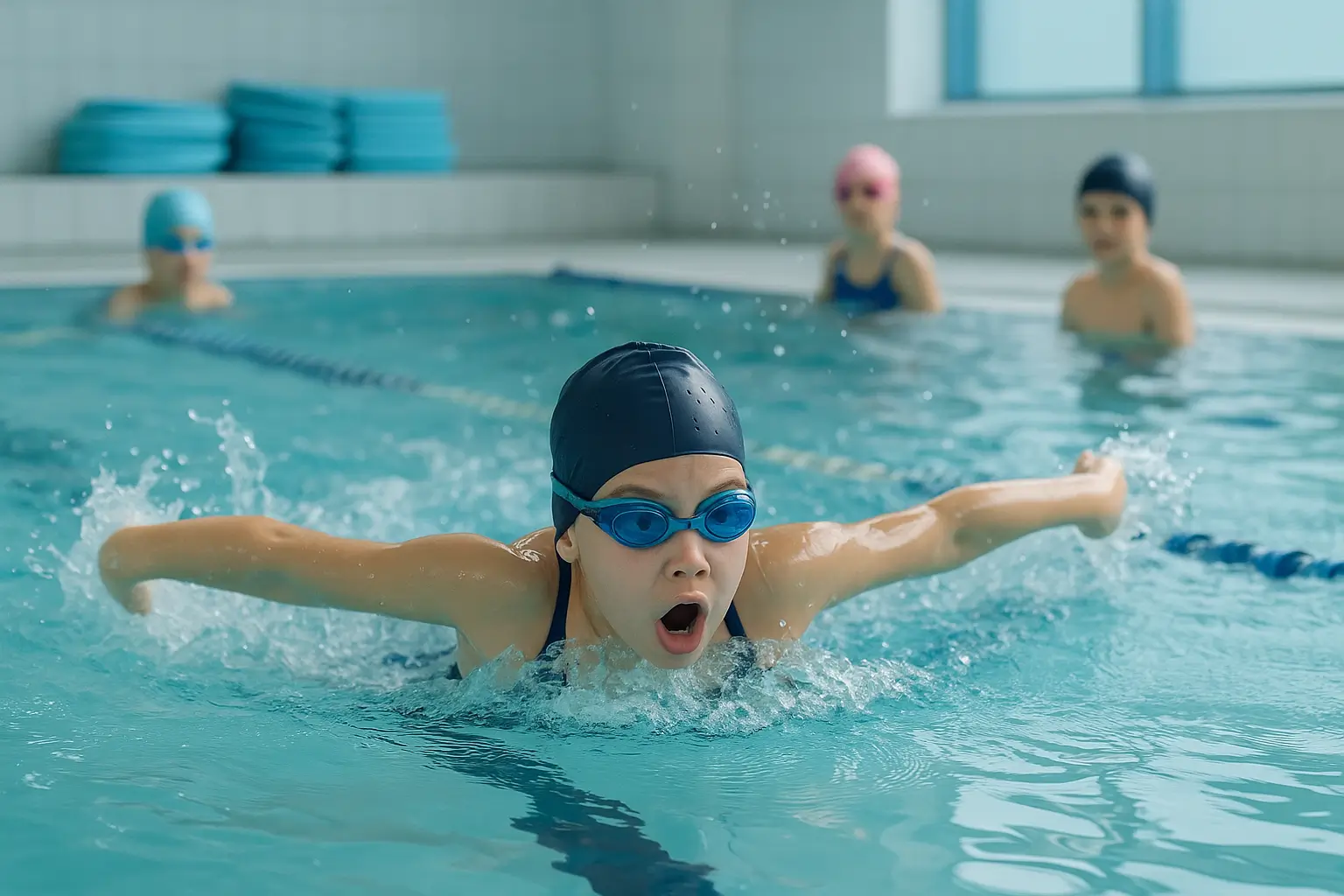
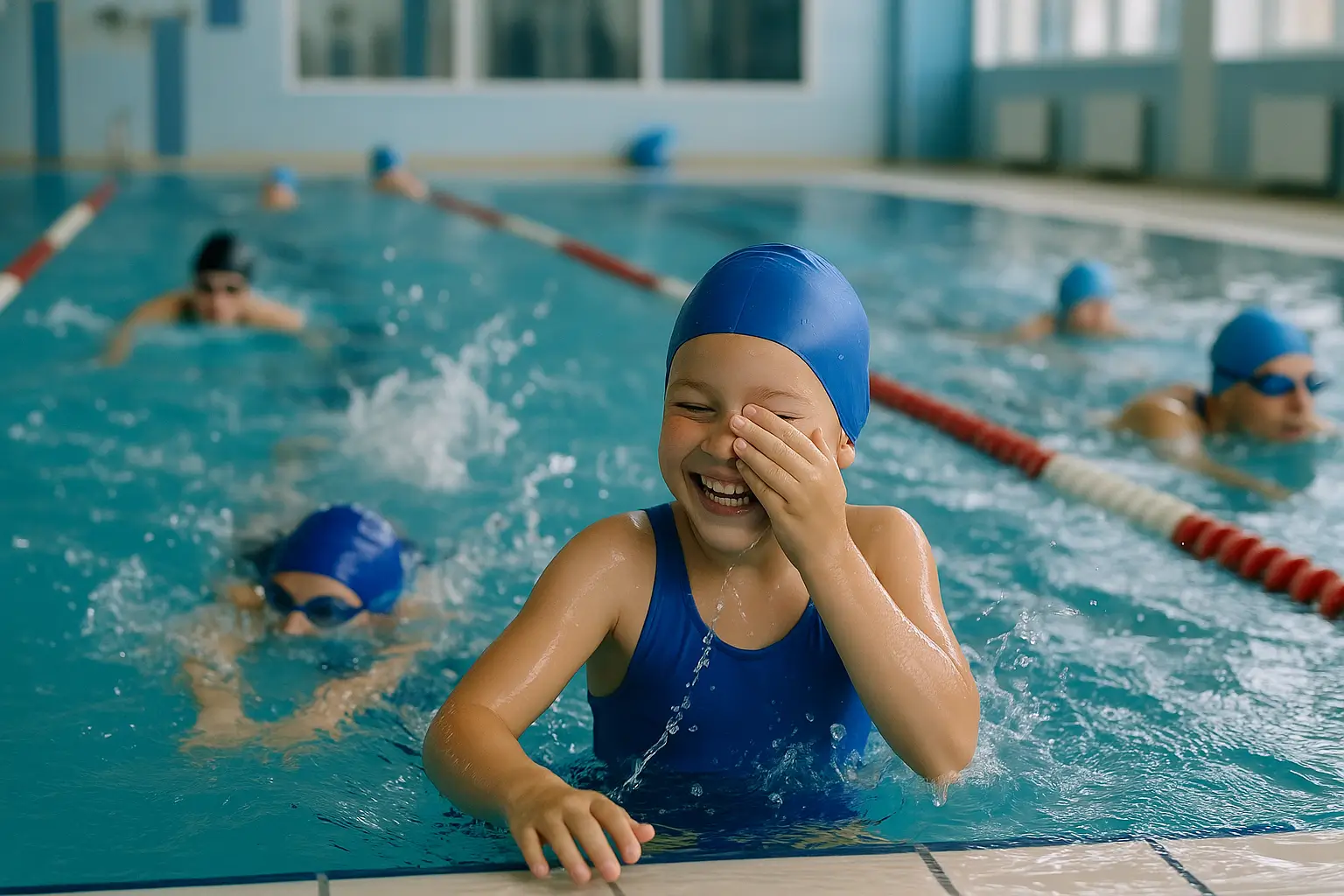
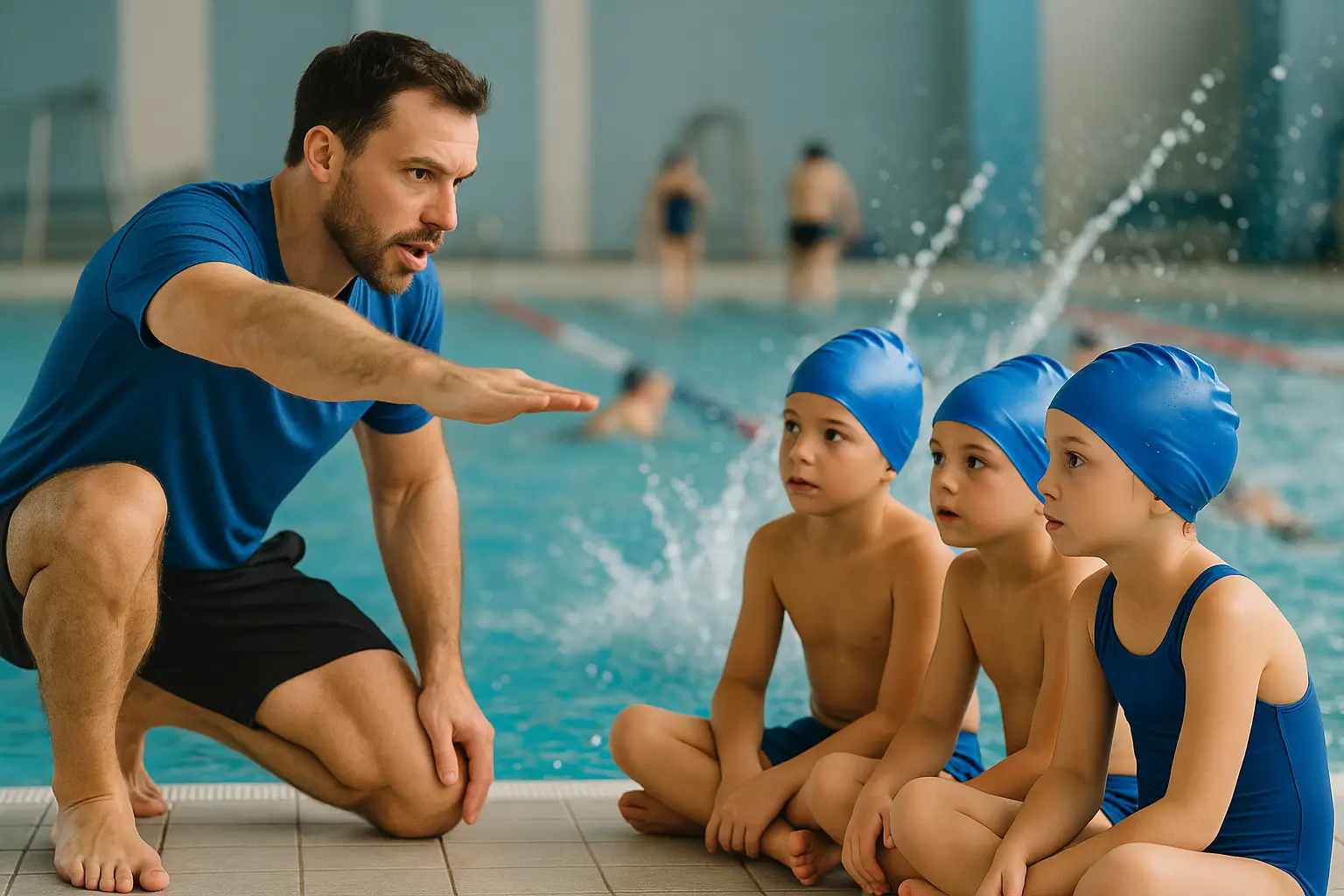
Swimming is one of the most complete physical activities for children and adults: it builds strength and coordination, supports cognitive and social development, and—most importantly—saves lives. In Moscow, with its year‑round indoor pools and summer access to parks and reservoirs, structured swimming education is widely available. This article outlines age‑appropriate teaching techniques, how sports shape child development, water‑safety essentials for the Moscow environment, and practical training plans both in and out of the pool.
Why swimming matters for child development
Swimming contributes to multiple domains of development:
— Physical: full‑body strength, cardiovascular fitness, motor coordination, flexibility, and posture.
— Cognitive: improved attention, sequencing skills, and spatial awareness.
— Emotional/social: confidence, resilience, teamwork, and following instructions.
— Safety: learning to manage risk and survival skills in water.
Studies show early movement experiences, including aquatic play, support neural and motor development. For Moscow families, regular pool practice also helps children adapt to the year‑round indoor climate and to safe summer open‑water recreation.
Teaching techniques by age group
Adjust expectations and methods depending on developmental stage.
— Infants & toddlers (6 months–3 years)
— Goals: water comfort, breath control, floating with support, basic submersion tolerance.
— Methods: parent‑assisted classes, short sessions (20–30 min), songs and games to reduce anxiety, gradual face‑wetting and blow bubbles.
— Safety: never leave a young child unattended in or near water.
— Preschool (3–5 years)
— Goals: independent floating, gliding, kicking, basic arm movements, breath timing.
— Methods: small groups, playful repetition, use of toys and visual cues, introduction of simple safety rules (e.g., “No running by the pool”).
— Pace: sessions 30–45 minutes, frequent positive reinforcement.
— Early school age (6–9 years)
— Goals: stroke fundamentals (freestyle, backstroke), coordinated breathing, building endurance.
— Methods: technical drills broken into short repeats, games that focus on technique, introduction to turns and streamlining.
— Safety: teach how to exit pools safely and recognize dangerous situations.
— Pre‑teens & teens (10+ years)
— Goals: technique refinement, interval training, starts and turns, race skills (if competitive).
— Methods: structured sets, technique video feedback, dryland strength and mobility sessions.
— Focus: balance higher intensity training with recovery and injury prevention.
Core swimming techniques to prioritize
— Streamline: essential for reducing drag off the wall and while diving.
— Body position: horizontal alignment for efficiency.
— Breathing: bilateral breathing practice for symmetry; exhale underwater, inhale quickly to the side.
— Kicking: small, steady kicks from the hips for freestyle/backstroke; powerful frog kick for breaststroke.
— Pull mechanics: high elbow catch and full extension for propulsion.
— Turns & starts: safe and efficient wall push‑offs and flip turns for advancing swimmers.
Safety on the water — practical guidance for Moscow families
Moscow’s pools, beaches, and reservoirs demand local awareness.
— General rules for all settings:
— Never swim alone; use the buddy system.
— Keep close supervision of children—designate an adult watcher.
— Obey lifeguards, signs, and barriers.
— Learn basic rescue rules: reach or throw, do not put yourself at risk.
— Have a charged phone poolside and know the emergency number: 112 (also 101 for fire/rescue).
— Indoor pools in Moscow:
— Check water temperature and hygiene standards (look for cleanliness, lifeguard presence).
— New swimmers should use shallow areas and progress gradually.
— Open water (summer sites such as public beaches and park reservoirs):
— Swim only in designated, supervised areas.
— Beware of currents, cold thermoclines, underwater obstacles, and sudden depth changes—Moskva River and many reservoirs can be unpredictable.
— Avoid swimming near boat traffic or at night.
— Use life jackets for weak swimmers or when using inflatables—don’t rely solely on air mattresses.
— Cold water & seasonal risks:
— Even in summer, water can be cold; hypothermia risk increases in open water.
— In winter, never go on ice without official, tested access points and clear signage.
Choosing a swim school or coach in Moscow
Key criteria:
— Certifications: coaches affiliated with the Russian Swimming Federation (Всероссийская федерация плавания) or local sports departments (e.g., Департамент спорта города Москвы).
— Group size and child‑to‑teacher ratio — smaller groups for beginners and young children.
— Facility quality: heated pools, proper depth options, lifeguards on duty, clean changing rooms.
— Transparent curriculum: progressive skill milestones, safety instruction, clear communication with parents.
— Trial class and observation policies — watch a lesson before enrolling.
— Reviews and recommendations from other parents; local community groups and forums are useful.
Popular facility types:
— Municipal sports schools (ДЮСШ and бассейны районных спорткомплексов)
— Private swim clubs and fitness centers
— University and corporate pools offering children’s programs
Training: in‑pool and dryland exercises
To develop speed, endurance, and injury‑resistant bodies, combine poolwork with dryland training.
— In‑pool session structure (example for school‑age swimmers)
— Warm‑up: 200–400m easy swimming + mobility
— Technique set: drills focusing on catch, body position, kicking (200–400m)
— Main set: intervals for endurance/speed (e.g., 8×50m with rest)
— Cooldown: 100–200m easy swimming and stretching
— Dryland exercises (2–3× per week, age‑appropriate)
— Core: planks, dead‑bugs, Russian twists with light resistance
— Mobility: hip openers, thoracic rotations, ankle mobility for better kick
— Strength: bodyweight squats, lunges, assisted pull exercises (bands) for swimmers
— Plyometrics (for older children/teens only): jump squats, box jumps to develop power—under supervision
— Recovery and injury prevention
— Emphasize sleep, hydration, balanced nutrition.
— Include active recovery and mobility work; avoid overuse—monitor for shoulder pain and fatigue.
Sample weekly schedule (ages 7–12, non‑competitive)
— Monday: 45 min technique + 15 min dryland mobility
— Wednesday: 45 min endurance set + 10 min breathing drills
— Friday: 45 min speed & turns + light strength (bands)
— Weekend: family open swim or active play (lake/park) focused on safety skills and fun
How parents can support progress
— Consistent attendance beats occasional intense training.
— Reinforce safety rules and positive habits: proper warm‑up, hydration, rest.
— Communicate with coaches: ask for progress reports and