Introduction
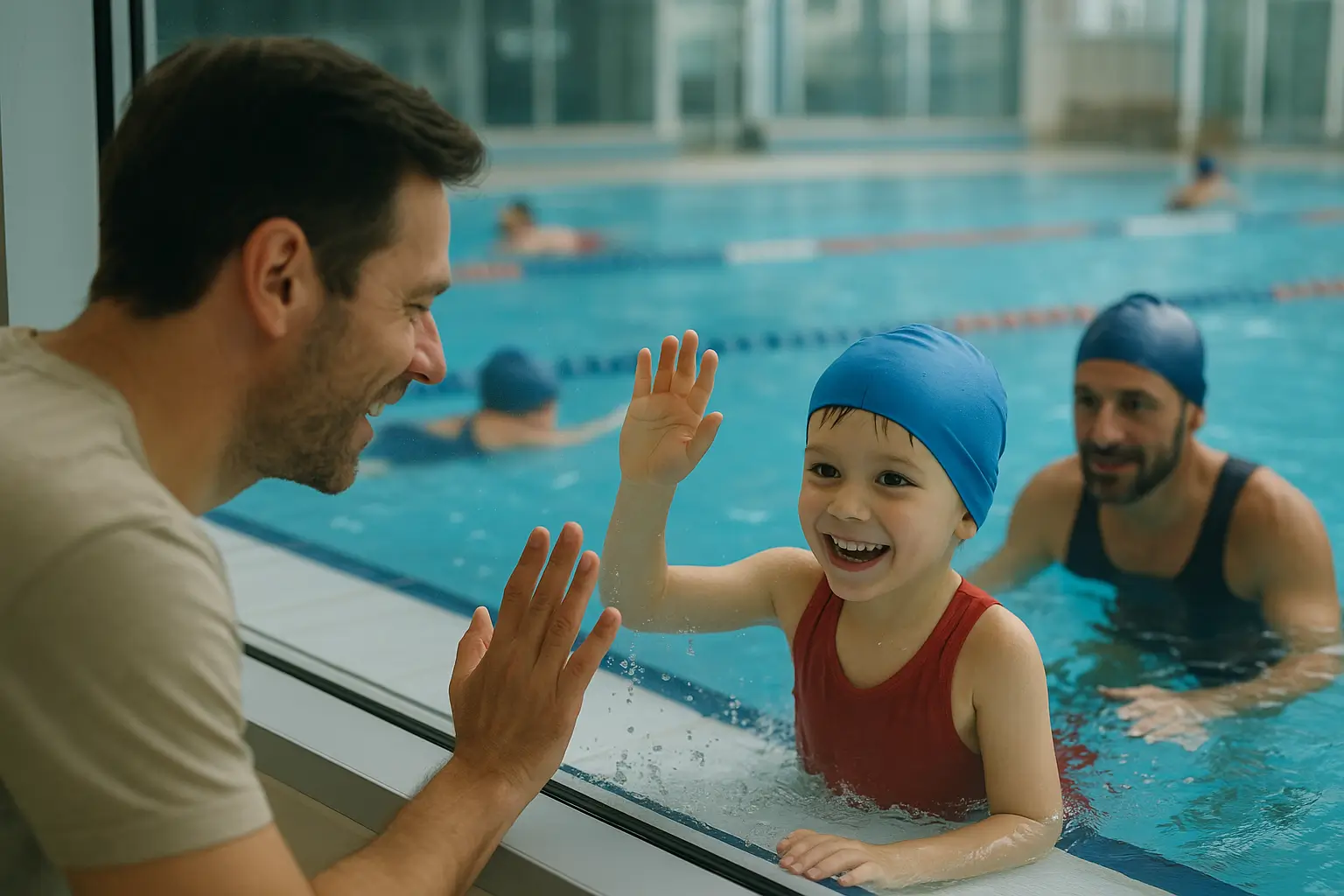
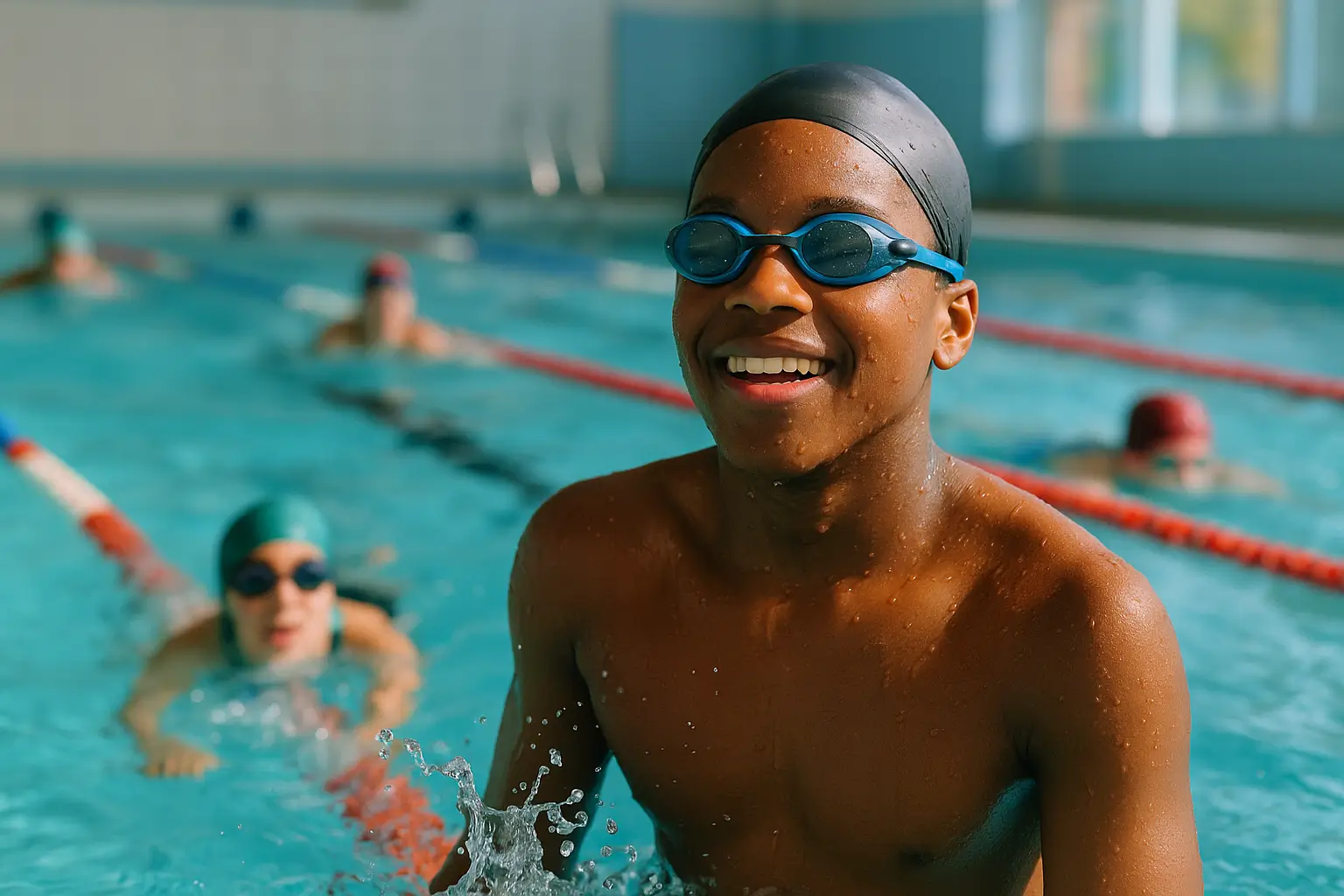
Swimming is a life skill, a sport and a powerful tool for child development. In Moscow — with its long indoor-pool season, organized sports schools and popular open-water sites in summer — structured swimming education helps children build physical fitness, water confidence and social skills while keeping safety first. This article outlines practical techniques, developmental considerations, safety guidance specific to Moscow, and training plans both in and out of the pool.
Why Swimming Matters
— Physical: builds cardiovascular fitness, muscular strength, coordination and flexibility with low joint impact.
— Cognitive and emotional: improves concentration, self-discipline, confidence and stress management.
— Social: team training and lessons develop communication, cooperation and responsibility.
— Safety: teaches survival skills that reduce drowning risk in pools, rivers and lakes.
Core Swimming Techniques (Progression and Drills)
Start with fundamentals; each technique should be broken into parts and practiced repeatedly.
— Body position
— Practice horizontal, streamlined position (head neutral, hips up).
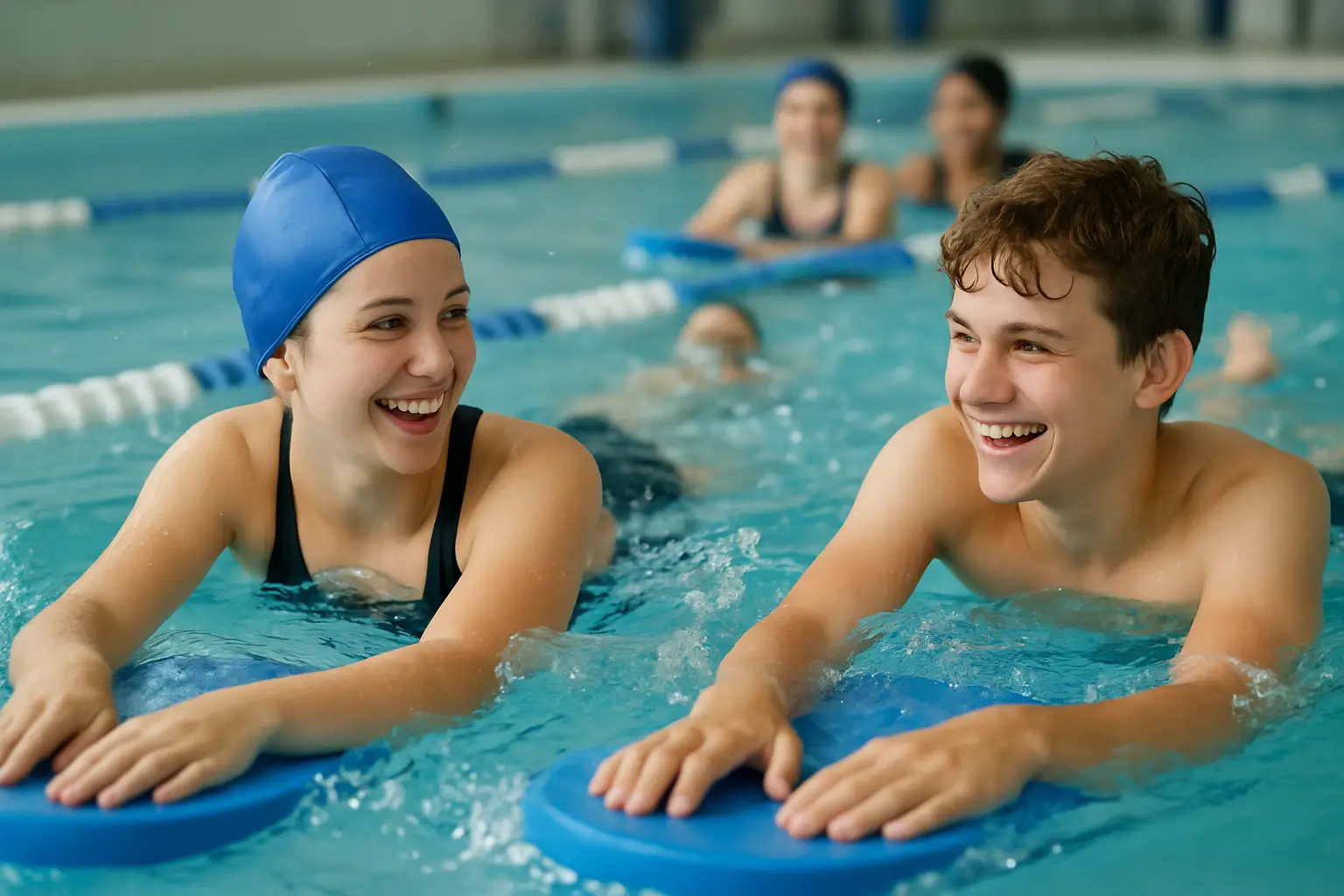
— Drills: streamline glide off the wall; kickboard balance.
— Kicking
— Flutter kick for freestyle/backstroke: small, fast ankle-driven kicks.
— Dolphin kick for butterfly and underwater work.
— Drills: vertical kicking, kicking on back, kickboard sprints.
— Breathing
— Bilateral breathing for freestyle improves balance.
— Practice exhalation underwater and quick inhalation to the side.
— Drills: 3-stroke breathing pattern, bubble-blowing games for kids.
— Arm mechanics and strokes
— Freestyle: high elbow catch, strong pull-through, relaxed recovery.
— Backstroke: straight line, shoulder rotation, continuous kick.
— Breaststroke: timing (pull, breathe, kick, glide); symmetrical movement.
— Butterfly: rhythm, core-driven undulation and coordinated arm recovery.
— Drills: single-arm freestyle, sculling, catch-up drill, 3-3-3 (3 strokes right arm, 3 left, 3 both).
— Turns and starts
— Teach streamlined push-off and efficient tumble turns progressively.
— Work starts on the pool deck gradually, then from starting blocks for advanced swimmers.
Child Development Through Swimming (by age)
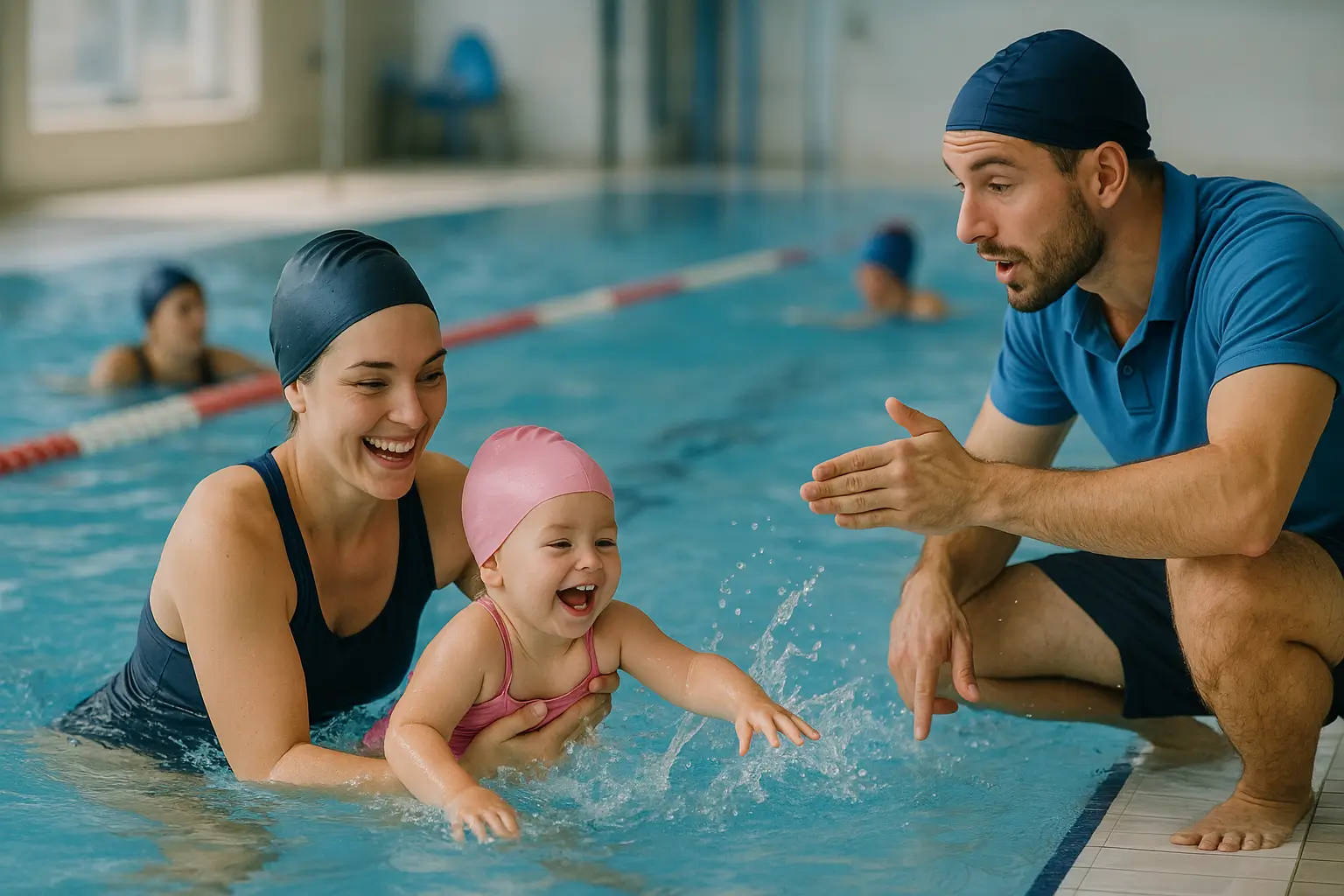
— Infants / parents-and-baby (6–18 months)
— Goals: water comfort, breath control, parent-child bonding.
— Note: consult your pediatrician before starting; ensure warm, clean pools.
— Toddlers (2–4 years)
— Goals: basic floating, independent movement, simple safety rules.
— Use play-based lessons, small group sizes and short sessions.
— Preschool (4–6 years)
— Goals: coordinated kicking and arm movements, submersion comfort, basic survival skills (float to edge).
— Emphasize repetition and positive reinforcement.
— School-age (6–12 years)
— Goals: stroke development, endurance, technique correction, introduction to starts and turns.
— Great age for joining sports school or club for structured training.
— Teens (13+)
— Goals: specialization, strength training, competition skills, self-management.
— Focus on dryland conditioning and periodized training.
Safety on the Water — Practical, Moscow-specific Guidance
— Always supervise children near water. Even shallow pool water poses risk.
— Use official swimming zones and municipal beaches in Moscow during open-water season (usually late May–September). Pay attention to signage and lifeguard presence. Do not assume all riverbanks are safe for swimming.
— Avoid swimming in the Moskva River in unmarked spots: currents, boat traffic and local pollution make many areas unsafe. Use designated beaches or reservoirs with tested water quality.
— Ice safety: do not walk or skate on ice unless it’s officially marked safe by local authorities. In Moscow winters, ice can be unpredictable — adhere to municipal warnings.
— Life jackets and personal flotation devices: use for boating and weak swimmers; inflatable toys are not reliable life-saving devices.
— Emergency numbers: call 112 for emergencies in Russia. Know the location of the nearest pool lifeguard and first-aid kit.
— First response basics: if someone is unresponsive and not breathing, call emergency services immediately and begin CPR. Take certified CPR and rescue training — theoretical steps are not a substitute for hands-on instruction.
— Pool hygiene: shower before entering, avoid swimming with open wounds, follow pool rules to reduce infection risk.
Choosing a Swim School or Coach in Moscow
— Look for: certified instructors, small group sizes, progressive curriculum, safety protocols and a transparent trial lesson policy.
— Consider locations: proximity to home or school, indoor heated pools (important in Moscow’s colder months) and municipal sports schools for structured pathways.
— Ask about coach credentials, teacher-to-child ratios, water temperature, pool maintenance and emergency procedures.
— Try several lessons before committing; children respond differently to different coaches and teaching styles.
Training: In and Out of the Pool
— Session structure (typical 45–60 minute class)
— Warm-up: 5–10 minutes gentle swim or dynamic movement.
— Technique work: 20–30 minutes focused drills and skill acquisition.
— Conditioning: 10–15 minutes interval work or longer swim sets.
— Cool-down and stretch: 5–10 minutes to reduce soreness and improve flexibility.
— Dryland exercises (for all ages)
— Core: planks, dead bugs, Russian twists.
— Mobility: shoulder dislocates with a band, dynamic hip stretches.
— Strength (older children / teens): bodyweight squats, lunges, push-ups, pull-ups; progress to free weights under supervision.
— Plyometrics and balance: box jumps, single-leg hops, BOSU ball work.
— Cross-training
— Activities that complement swimming: gymnastics (body awareness), dance/yoga (flexibility, balance), cycling or running (endurance