Introduction
Swimming education in Moscow blends technical skill, child development, safety awareness and year‑round physical conditioning. With long winters and a wealth of indoor pools, parents and coaches here have unique opportunities to build lifelong aquatic skills — safely and systematically. This article outlines practical techniques, developmental goals for children, water‑safety essentials and effective training both in the pool and on dry land.
Core Swimming Techniques (Essentials for all ages)
Focus on posture, breathing and efficient propulsion. For each stroke, teach one cue at a time and repeat with short, targeted drills.
— Freestyle (crawl)
— Key cues: *streamline body*, relaxed rotation, breathe to the side without lifting the head.
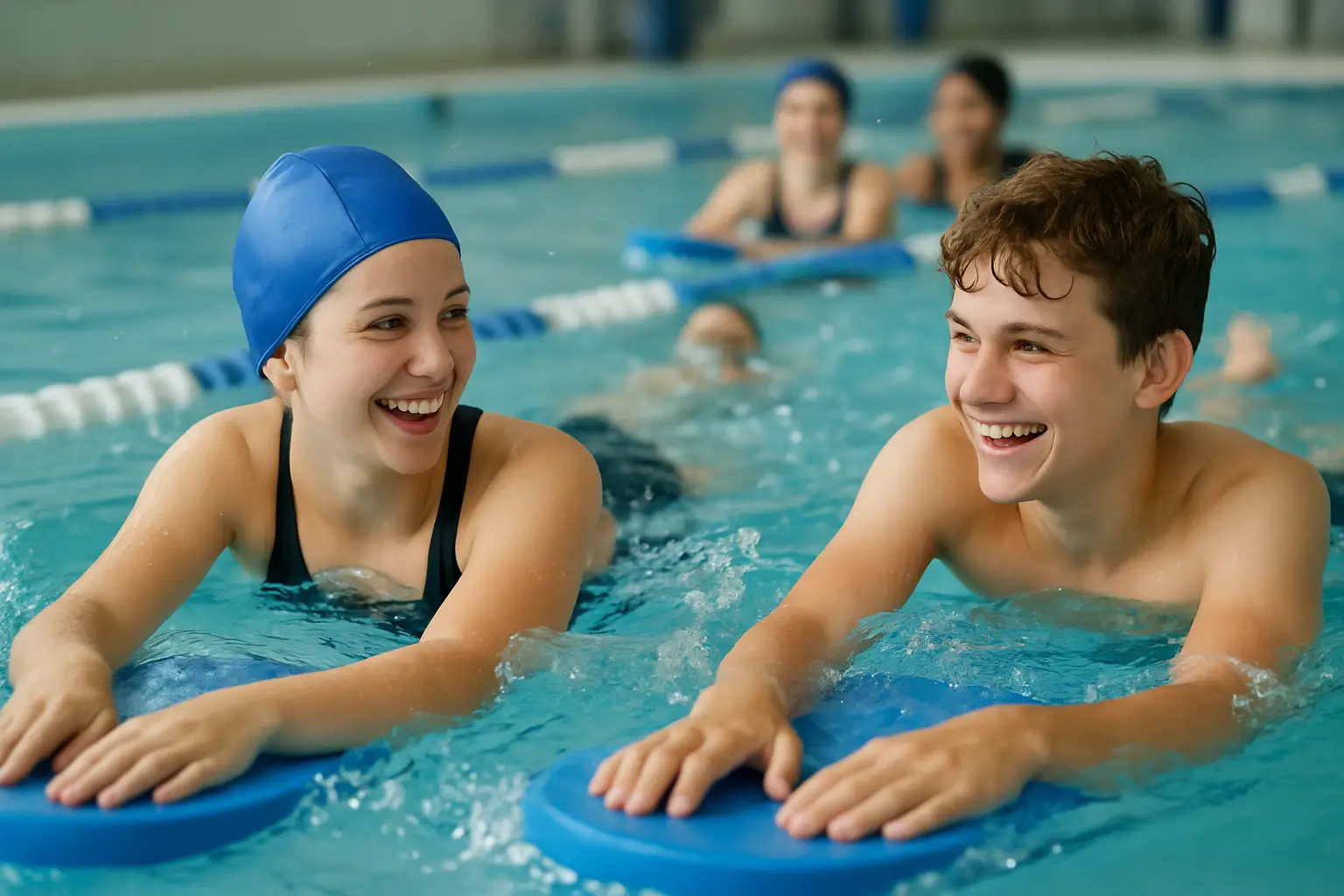
— Drills: kickboard drills for steady flutter kick, single‑arm freestyle to isolate rotation, catch‑up drill for timing.
— Backstroke
— Key cues: *head back and hips up*, steady flutter kick, straight arm recovery.
— Drills: vertical kicking to improve core stability, single‑arm backstroke for balance.
— Breaststroke
— Key cues: *sweep kick + glide*, timing of pull, breath during the insweep.
— Drills: pull buoy + focused kick sets, 2 kicks/1 pull rhythm exercises.
— Butterfly
— Key cues: *undulating body motion*, two kicks per arm cycle, rhythm over power.
— Drills: dolphin kick on back and side, single‑arm butterfly progressions.
Common technical priorities:
— Streamline off walls and starts.
— Proper breathing rhythm (bilateral breathing in freestyle as a goal).
— Progressive overload: increase distance, then pace, then technique demands.
Child Development Through Swimming
Swimming is a powerful vehicle for physical, cognitive and social growth.
— Physical benefits
— Builds cardiovascular fitness, coordination, balance and joint‑friendly strength.
— Encourages motor skill refinement and body awareness.
— Cognitive and emotional benefits
— Teaches goal‑setting, persistence, self‑regulation and confidence.
— Helps reduce anxiety around water and improves focus.
— Social development
— Team classes teach cooperation, turn‑taking and communication.
— Age‑appropriate milestones
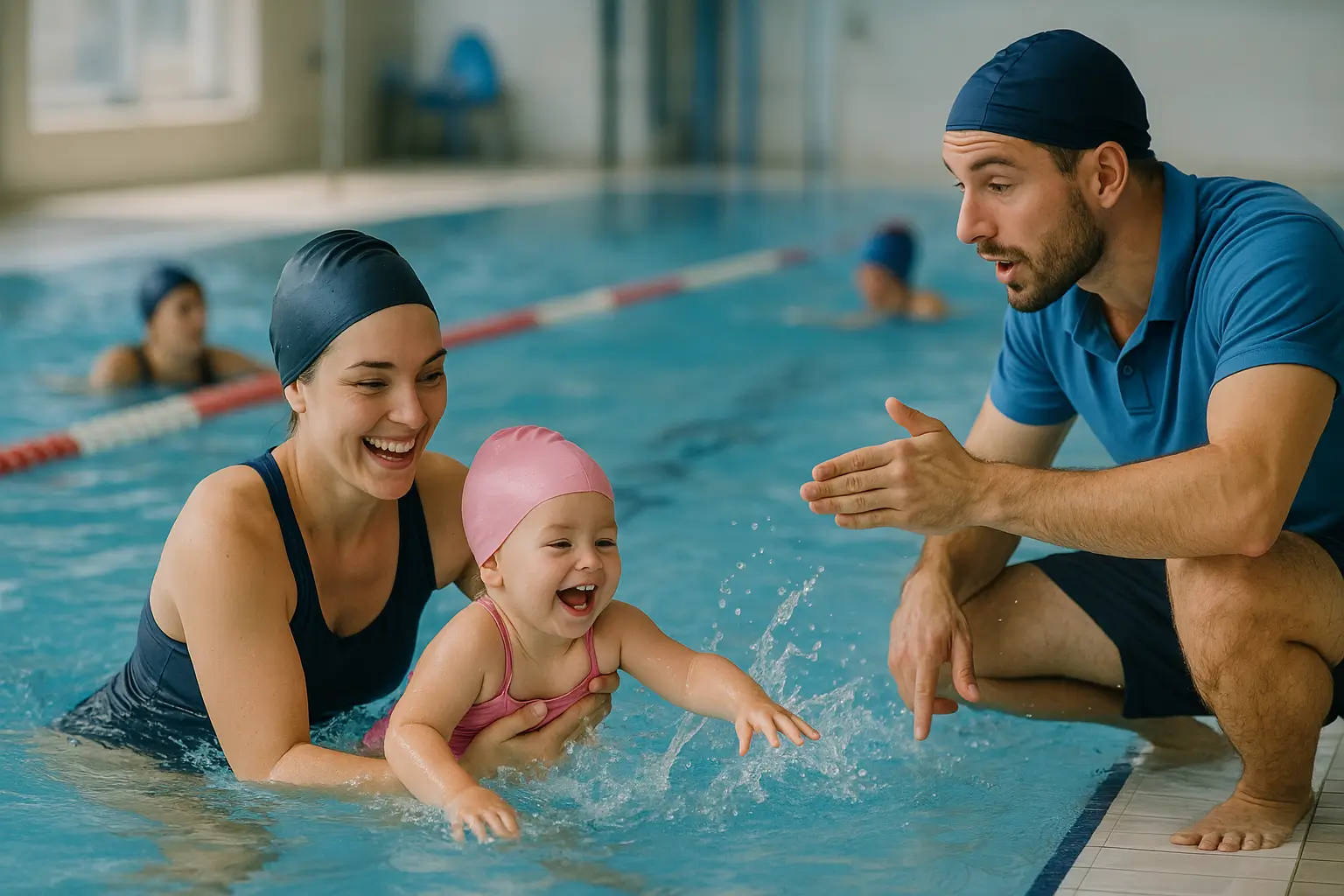
— 6–24 months: water acclimatization, blowing bubbles, assisted floats.
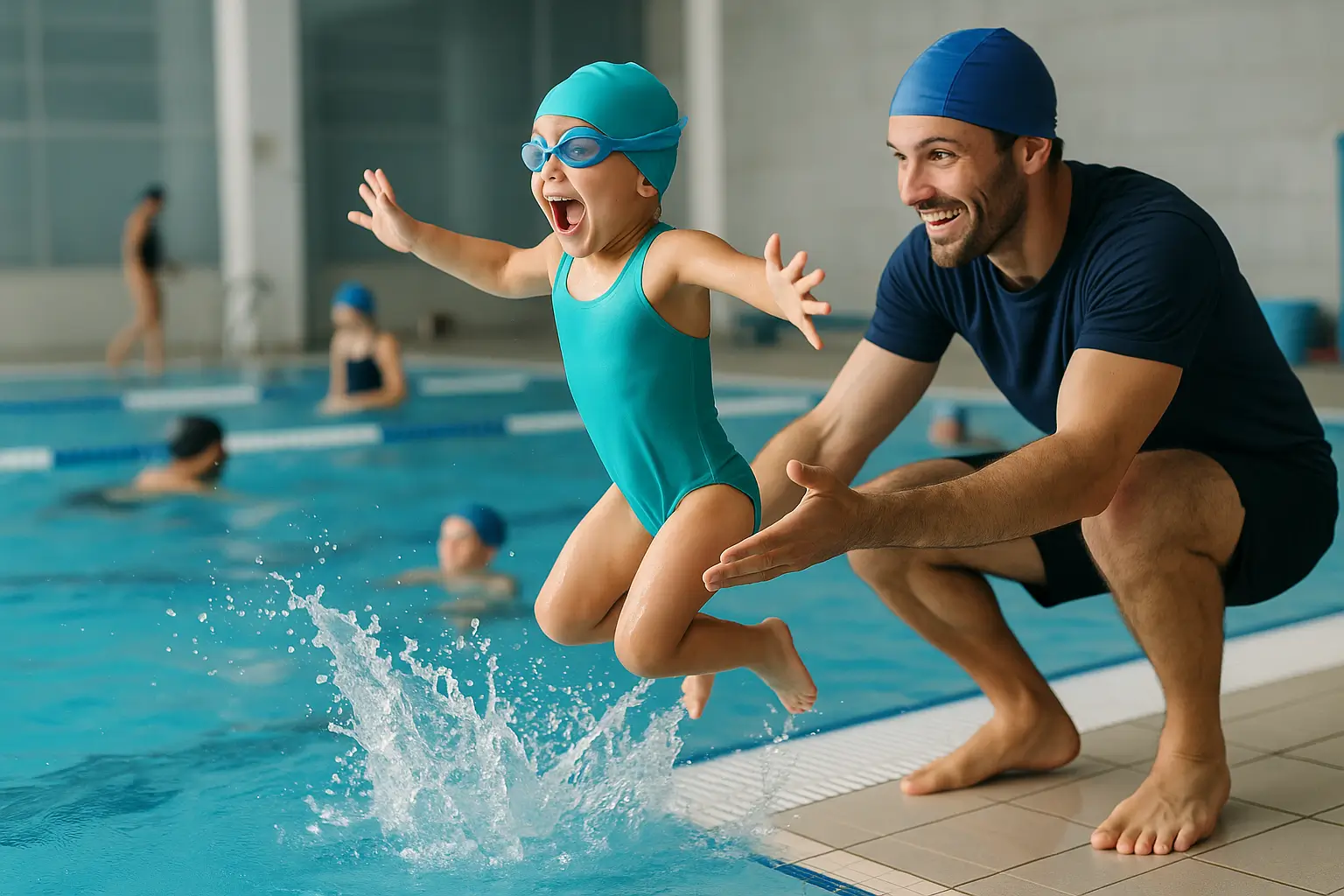
— 2–4 years: independent glides, basic kicking and submersion tolerance.
— 5–7 years: coordinated stroke patterns, basic technique and safety skills.
— 8+ years: stroke refinement, endurance work and competitive basics.
Encourage positive reinforcement, realistic goals and regular short sessions rather than infrequent long ones.
Safety on the Water (non‑negotiable)
Safety is the top priority in Moscow pools, river beaches and reservoirs.
— Supervision and environment
— Never leave children unattended near water; always appoint an adult supervisor.
— Prefer pools with trained lifeguards and visible safety signage.
— Avoid unsanctioned swimming in rivers, reservoirs or under ice. Only swim in designated areas during approved seasons.
— Skills that save lives
— Teach safe entry and exit, floating on back, treading water and self‑rescue rolls.
— Use personal flotation devices for non‑swimmers near open water.
— Emergency preparedness
— Choose programs where staff are certified in CPR and first aid.
— Know local emergency numbers and pool emergency procedures.
— Parents/caregivers should learn basic rescue breathing and CPR.
— Common local hazards
— Cold hypothermia risk in shoulder seasons — limit exposure, use insulated clothing after exiting the pool.
— Alcohol and water don’t mix — never swim intoxicated.
Physical Training In and Out of the Pool
Balance in‑water technique sessions with dryland conditioning to improve strength, mobility and injury prevention.
— In‑pool structure (sample weekly)
— Beginners: 2–3 sessions/week — 30–45 minutes focused on skills and confidence.
— Intermediate: 3–4 sessions/week — 45–60 minutes, technique + endurance sets.
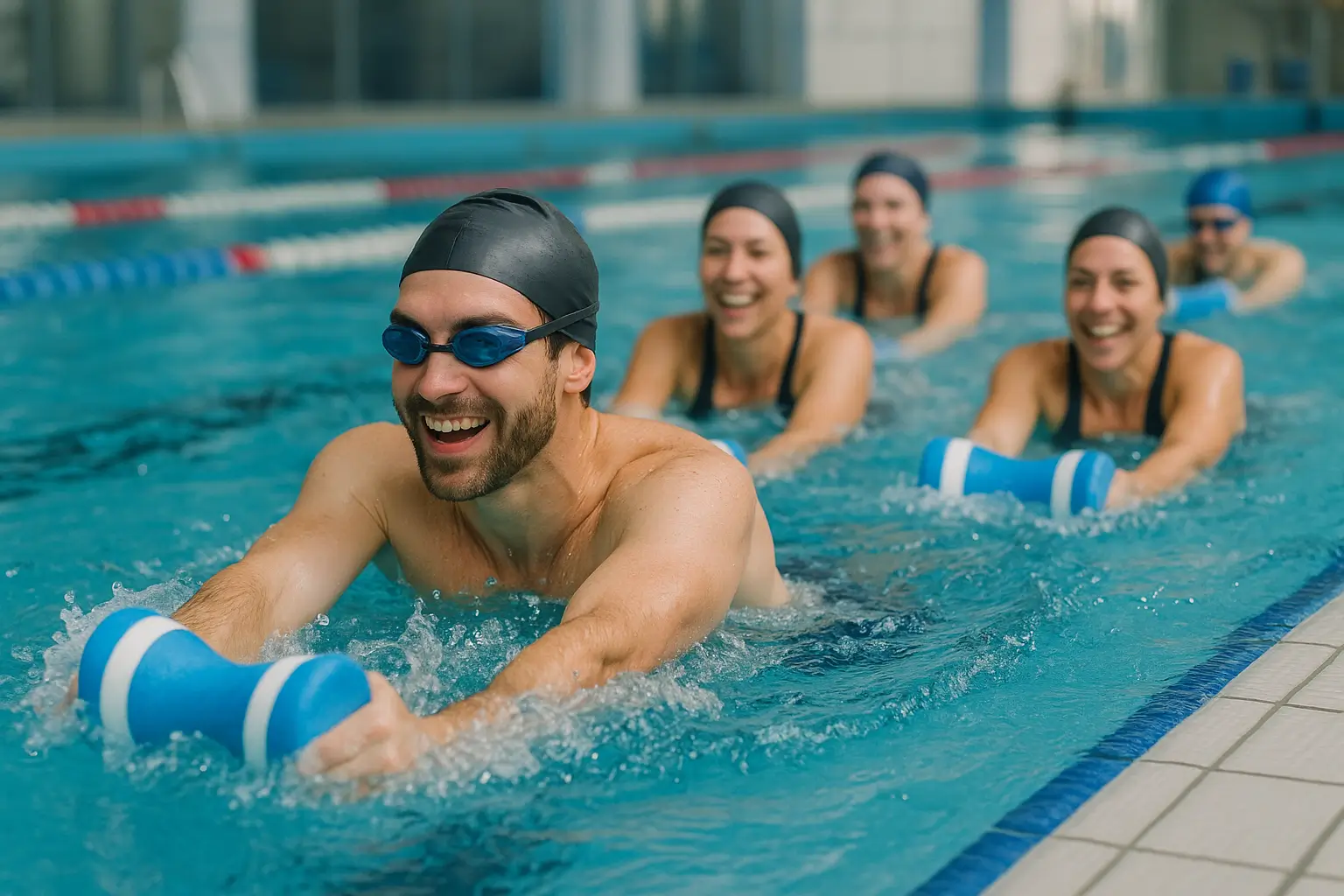
— Competitive prep: 5–6 sessions/week — technique, speed work, race‑pace sets, recovery swims.
— Dryland exercises (2–3× week)
— Mobility: shoulder circles, thoracic spine rotations.
— Core: planks, side planks, hollow holds.
— Strength: bodyweight squats, lunges, resistance‑band rows, push‑ups.
— Plyometrics: box jumps and medicine‑ball throws for power (age and progression appropriate).
— Flexibility and recovery
— Dynamic warm‑ups before sessions, static stretching after.
— Sleep, hydration and balanced nutrition for growth and recovery.
Designing a Program in Moscow: What to Look For
When choosing a swim program or coach in Moscow, evaluate these factors:
— Qualifications and safety
— Instructor certifications, first‑aid/CPR training and lifeguard presence.
— Group size and coach‑to‑child ratio
— Smaller groups (4–6) for young beginners; clear progression pathways.
— Facility standards
— Clean, well‑heated pools, clear depth markings, easy access for parents.
— Teaching philosophy
— Emphasis on water safety and technique before speed; positive reinforcement.
— Track record and communication
— Regular progress reports, transparent pricing, trial lessons available.
Aim for programs aligned with recognized standards (national swimming federation or international guidelines).
Practical Checklist for Parents
— What to bring: swimsuit, swim cap, goggles, towel, extra underwear, flip‑flops, plastic bag for wet items.
— Before the lesson: proper rest and light snack; inform coach of health issues or recent illnesses.
— After the lesson: warm clothing for cold Moscow weather, rehydrate, brief positive feedback.
— Track progress: small achievable goals, monthly skill checklist (floats, independent 25 m, stroke competency).
Final Notes
Consistent, safe and fun practice builds competence and love for swimming. In Moscow, take advantage of indoor facilities for year‑round progress, choose qualified instructors, prioritize safety and include dryland work. Whether the goal is comfort in water, competitive